Last updated: 5 September 2026
Phantom Blade Zero Beginner's Guide — Core Systems & First Steps
Phantom Blade Zero drops you into a dark wuxia world as Soul — an elite assassin for an organisation called the Order, framed for his master's murder and given just 66 days to live by the healer who saved him, leaving him to expose the conspiracy before time runs out. The game layers several interconnected systems on top of each other: a dual-weapon loadout, a shared Sha-Chi energy resource, two types of enemy attacks requiring completely different responses, and a world of connected regions that opens up as your arsenal grows. This guide walks through what's been confirmed pre-release so you spend less time confused and more time enjoying the combat once the game is out.
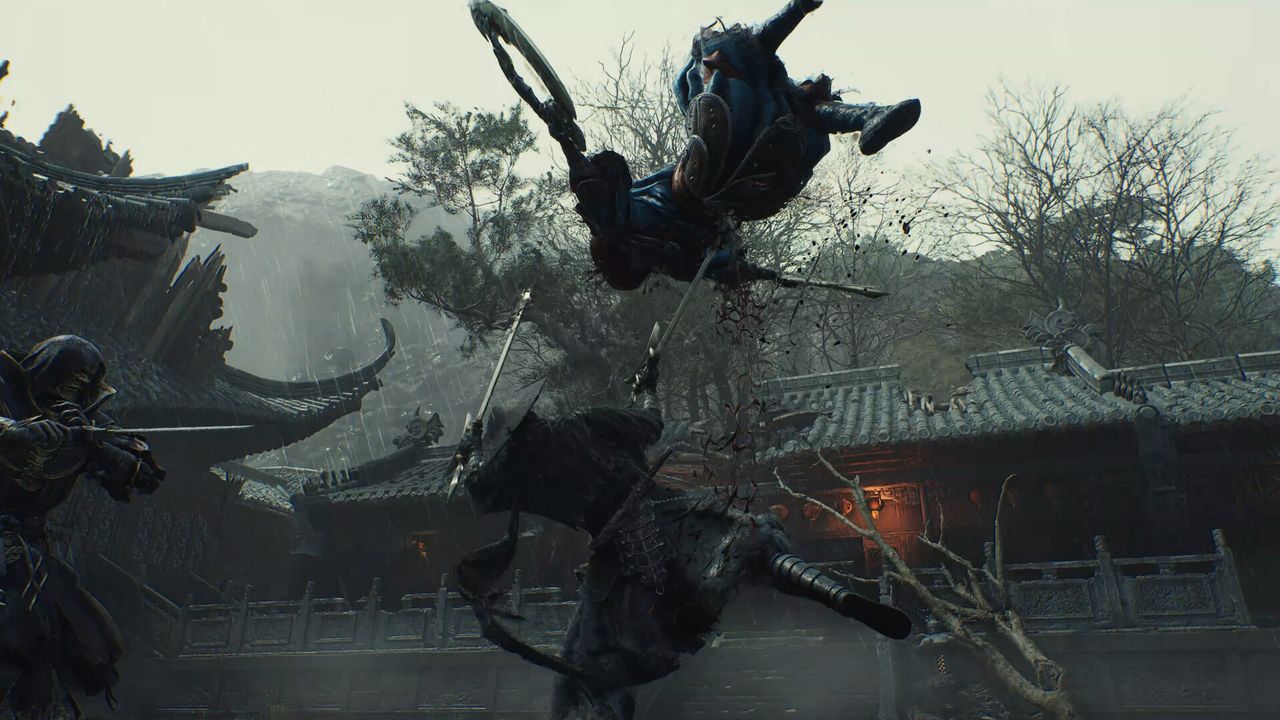
Learn the blue/red flash colour system before anything else — blue means parry (L1/Q), red means dodge (R1/E). Keep your Sha-Chi from bottoming out by mixing basic attacks with heavy ones, and switch weapons whenever your energy runs low because each switch refills the gauge completely. Note: Phantom Blade Zero releases October 29, 2026 — this guide is built from S-GAME's confirmed pre-release material and hands-on previews, so double-check anything highly specific against the finished game.
01The Story in 60 Seconds
Soul is one of the Order's most capable operatives. When the Order's leader is murdered, Soul is framed, nearly killed, and left to die — kept alive only by a mysterious healer whose treatment comes with a price: 66 days to live. That countdown is the story's central hook and narrative clock. S-GAME has also confirmed a separate, optional '66 Days' difficulty mode that turns this into a literal permadeath mechanic (66 lives, one lost per death) — but that's a specific opt-in mode, not confirmed to be how dying works during a normal playthrough on the other difficulty settings.
Your objective is to hunt down the real conspirators inside the Order, a journey that takes you across a world of interconnected regions. Director Soulframe Liang has confirmed the game has eight distinct endings shaped by how you approach optional side quests along the way — completing them, and how you act within them, both matter. A New Game Plus mode is confirmed to unlock after your first playthrough, though exactly what it carries over hasn't been detailed pre-release.
- You play as Soul, an operative of the Order framed for a murder he did not commit.
- The 66-day countdown is the story's framing device. A literal day-costs-a-death mechanic is confirmed to exist, but as part of the separate, optional '66 Days' permadeath mode — not confirmed for normal play.
- Eight endings are confirmed, shaped by your side quest choices across the playthrough.
- The world connects across regions that open up as you acquire specific weapons.
02Your Loadout — Two Blades, Two Phantom Edges
Soul carries four weapons at all times: two primary blades and two secondary weapons called Phantom Edges. Each primary blade comes with its own moveset and a unique ultimate ability called a Power Surge. Phantom Edges are a diverse set of tools — axes, hammers, lances, cannons, longbows, and more — used for burst options and situational coverage rather than as your primary damage output.
You can switch between your two primary blades instantly during combat by pressing Left on the D-pad. This switch has a critical hidden benefit: your Sha-Chi gauge fully refills on weapon switch. This means swapping weapons is not just about accessing a different moveset — it is one of your most reliable ways to stay topped up on combat energy. Use it proactively, not only when your first blade's options run dry.
Over 30 primary weapons and more than 20 Phantom Edges exist in the full game, giving significant build variety once you reach the midgame.
- Two primary blades — each with a unique Power Surge ultimate ability.
- Two Phantom Edges — secondary weapons covering ranged, burst, and counter roles.
- Weapon switching refills Sha-Chi — treat this as a core mechanic, not a last resort.
- Phantom Edges are not your main damage but often provide the answer to a specific fight.
03Sha-Chi — The One Resource You Cannot Ignore
Sha-Chi is the game's central energy resource and the thing new players most often mismanage. It is a dual-purpose bar that powers both your offence and your defence simultaneously. Spend it recklessly and you will be unable to block when you most need to; manage it well and you unlock devastating combo chains and Power Surge ultimates at critical moments.
Sha-Chi builds up through landing basic attacks, perfect parries, and successful Ghoststep counters. Sha-Chi is spent on heavy attacks (called Sha-Chi attacks), blocking incoming Brutal Moves, and eventually activating Power Surge when your secondary Sha-Chi Essence bar is full.
The key insight for beginners: do not burn all your Sha-Chi on heavy attacks and leave yourself with no energy to block the next incoming hit. Equally, do not play so passively that you never spend Sha-Chi — generating Sha-Chi Essence (which charges Power Surge) requires actively spending the base gauge.
- Sha-Chi is shared between offence (heavy attacks) and defence (blocking Brutal Moves) — manage both.
- Basic attacks replenish Sha-Chi — keep hitting to stay resourced.
- Perfect parries reward more Sha-Chi than passive blocking, and they are faster to learn than they look.
- A full Sha-Chi Essence bar charges Power Surge — your weapon's ultimate. Use it proactively.
04Reading Enemy Attacks — The Colour Code
Every enemy attack in Phantom Blade Zero falls into one of two categories, each signalled by a distinct colour flash. Recognising these on instinct is the single most important skill to develop in your first few hours — the correct response for each type is entirely different, and reacting with the wrong one wastes resources or takes avoidable damage.
Brutal Moves are heavy, blockable attacks preceded by a blue flash. Press L1 (PS5) or Q (PC) to parry. A successful parry absorbs the hit, costs Sha-Chi, and — with tight timing — triggers a Ghoststep counter that repositions Soul behind the enemy for a backstab opportunity. If your Sha-Chi is empty when you try to block, the hit connects fully.
Killer Moves are unblockable attacks preceded by a red flash. Do not attempt to block these — instead press R1 (PS5) or E (PC) to Ghoststep-dodge through the attack. A successful dodge also repositions Soul behind the attacker for the same counter opportunity as a perfect parry.
- Blue flash = Brutal Move: parry with L1 (PS5) / Q (PC). Blockable. Costs Sha-Chi.
- Red flash = Killer Move: dodge with R1 (PS5) / E (PC). Unblockable — must be evaded.
- Attempting to block a Killer Move does not reduce damage — you have to dodge.
- When unsure which type is coming, defaulting to a dodge is safer than a failed parry attempt.
05Difficulty — What to Choose
Phantom Blade Zero has four confirmed difficulty options — Wayfarer, Pathbreaker, Hellwalker, and the permadeath 66 Days mode — and S-GAME's own previews frame the higher tiers as changing enemy AI behaviour, not just health and damage numbers.
Wayfarer is S-GAME's own description of the story-focused, most accessible tier; Pathbreaker is the intended baseline combat experience; Hellwalker adds enemies described as adapting in real time to your distance, missed attacks, and repeated patterns rather than following a fixed script. 66 Days layers a 66-life permadeath counter on top of Hellwalker-level difficulty. See our dedicated difficulty guide for the full breakdown, including what's still unconfirmed pre-release.
- Start on Wayfarer or Pathbreaker — the core systems are complex enough to learn without extra AI pressure.
- Hellwalker is aimed at players who want the AI to adapt to their tactics specifically, not just hit harder.
- 66 Days is a separate, opt-in permadeath mode built on Hellwalker's difficulty floor — not something you'll stumble into by accident.
- Nothing in current coverage suggests endings are gated by difficulty, but confirm this against the released game rather than pre-release previews.
06World Exploration — What Opens and When
The world is semi-open: regions connect seamlessly, but not all paths are available at the start. Some zones are blocked by story gates; others require specific weapons to access — a design that makes backtracking worthwhile once your loadout grows. Prioritise the critical path early to acquire new weapons, then revisit earlier areas for side content and locked routes.
Side quests directly influence which ending you reach, and the director has said a typical first playthrough covers only around 30% of the total content — a sign that a lot of it is genuinely missable. Complete side content as it appears when possible rather than assuming you can sweep it up later; exact rules for when a quest closes off haven't been published pre-release, so treat that as the cautious default. New Game Plus is confirmed to unlock after your first playthrough, but what it carries over hasn't been detailed publicly.
- Regions connect through story progress and weapon acquisition.
- Backtracking is expected — some areas open once you have a specific weapon.
- Side quests affect which of the eight endings you reach — engage with them as they appear rather than deferring them all.
- New Game Plus exists and unlocks after a full playthrough; what carries over into it isn't confirmed pre-release.
FAQ
Is Phantom Blade Zero hard for beginners?
On Standard difficulty, Phantom Blade Zero is moderately challenging. The steepest learning curve is recognising the blue flash (parry with L1) versus red flash (dodge with R1) colour system, and managing Sha-Chi across both offence and defence at the same time. Once those two habits become automatic — typically within the first couple of hours — the core flow feels natural. The game is less punishing than Sekiro or Elden Ring's DLC on its standard settings.
What does the 66-day timer actually do in Phantom Blade Zero?
The 66 days is the story's central premise: a healer saves Soul's life on the condition it only lasts 66 days. S-GAME has confirmed a separate, optional '66 Days' difficulty mode that makes this a literal permadeath mechanic (66 lives, minus one per death), but there's no confirmation that dying costs you a day during a normal playthrough on the other difficulty settings — there, it reads as narrative framing rather than an active countdown.
Can I switch weapons mid-combat in Phantom Blade Zero?
Yes, and it is actively encouraged. Pressing Left on the D-pad swaps between your two primary blades instantly. Each switch fully refills your Sha-Chi gauge, making weapon switching one of the most reliable energy management tools in the game. Build the habit of switching before your Sha-Chi bottoms out rather than waiting until you are empty.
How many endings does Phantom Blade Zero have?
Eight distinct endings, confirmed by director Soulframe Liang. Which one you reach depends on your side quest completion and choices made throughout the story. New Game Plus is confirmed to let you start a new run after finishing the story, useful for chasing endings you missed, though exactly what progress carries over hasn't been detailed pre-release.
Do I need to play the original Phantom Blade mobile games to understand Phantom Blade Zero?
No. Phantom Blade Zero is set in its own world, called the Phantom World, and S-GAME has said it requires no knowledge of prior entries and contains its full story within itself. It is a spiritual successor to the studio's earlier Rainblood and Phantom Blade mobile games rather than a direct sequel, with a new protagonist and cast.
Sources
Where the facts on this page were checked. If one of them now says something different, we want to know — tell us and we will fix the guide.
- Phantom Blade Zero Wikipedia
- Phantom Blade Zero on Steam Steam
- What to Expect From Phantom Blade Zero Game Rant
- Phantom Blade Zero Is Making Action RPGs' Laziest Difficulty Trick Look Outdated Game Rant
- Phantom Blade Zero: SGF Play Days Impression RPGamer
- Phantom Blade Zero State of Play dives deep into combat and the Wulin world PlayStation Blog
New & updated guides ship every week. Follow the Atom feed or get notified when new Phantom Blade Zero guides land.