Last updated: 5 September 2026
Phantom Blade Zero Best Weapon for Beginners — How to Pick Your Starting Loadout
Phantom Blade Zero lets you carry two primary blades and two Phantom Edge secondary weapons at all times, with S-GAME confirming over 30 primary weapons and more than 20 Phantom Edges across the full game. Because the game isn't out yet, this guide focuses on what's actually been confirmed about how the loadout system works and how to think about picking a starting pair, rather than naming one specific weapon as 'the best' — pre-release previews haven't covered enough of the full roster for that claim to hold up. Once the game releases, cross-check this against your own hands-on time and any post-launch community consensus.
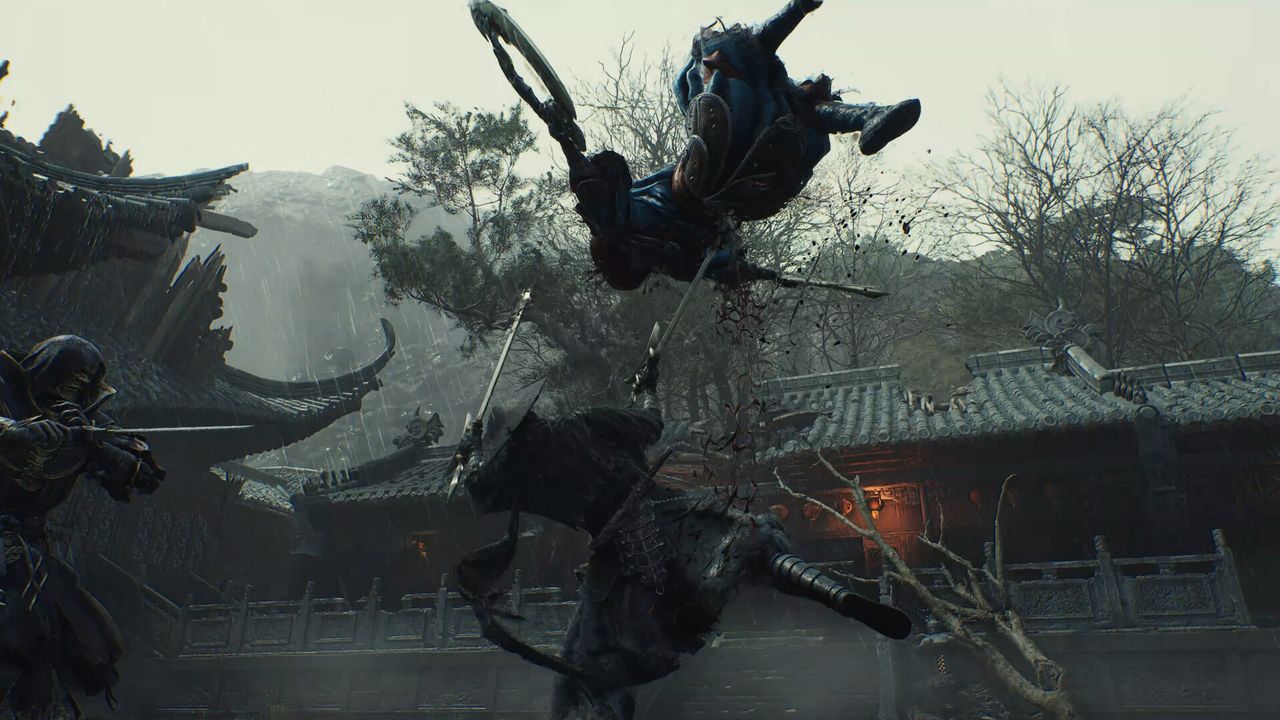
Phantom Blade Zero hasn't released yet (October 29, 2026), so no outlet has published a confirmed 'this is objectively the best beginner weapon' answer from the full game. What is confirmed: you carry two primary blades and two Phantom Edges, weapons span a spectrum from fast/light (quick Sha-Chi generation, lower per-hit damage) to slow/heavy (high per-hit damage, more exposure), and switching primary blades mid-combat fully refills your Sha-Chi. Pick a fast weapon as your main and something heavier or safer as your backup, rather than chasing one 'best' name.
01How the Weapon System Works
Soul's loadout has four slots: two primary blade slots and two Phantom Edge slots. Your two primary blades are your main combat tools — each has its own full moveset, Sha-Chi attacks, and a unique ultimate ability called a Power Surge. Switching between your two equipped primary blades with Left on the D-pad is instant and refills the Sha-Chi gauge completely, making your second blade both a moveset alternative and a resource-management reset.
Phantom Edges (secondary weapons) are a separate category confirmed to include axes, hammers, lances, cannons, bows, and flexible/whip-type weapons. They're not replacements for your primary blades — they're contextual tools for specific moments, such as a burst of damage during a stagger window or a ranged option when you need distance.
Loadouts can be changed outside of combat, so there's no confirmed permanent penalty for trying a weapon type that turns out not to suit you.
- Two primary blade slots — your main combat weapons, each with a Power Surge ultimate.
- Two Phantom Edge slots — secondary contextual tools, not replacements for your primary blades.
- Switching primary blades mid-combat refills Sha-Chi to full.
- Loadouts are adjustable outside of combat, based on current pre-release coverage.
02The Weapon Spectrum — Fast and Light vs. Slow and Heavy
Rather than fixed named categories, the clearest confirmed pattern across S-GAME's previews and hands-on coverage is a spectrum: faster, lighter weapons generate Sha-Chi more quickly through rapid basic attacks but deal less damage per hit, while slower, heavier weapons hit much harder per swing at the cost of longer recovery and higher exposure if you mistime a parry.
Named weapons shown in pre-release demos illustrate the range rather than fitting into four tidy archetypes. Examples confirmed from S-GAME's own demo builds and preview coverage include a fast twin-blade pairing (shown as 'White Serpent' and 'Crimson Viper'), a flexible 'Soft Snake' blade that can function as both a whip and a sword, a 'Drunken Sword' built around last-second dodges followed by heavy counterattacks, and a heavy blade called 'Juggernaut' that builds a charge from successful parries into a powered-up sweeping cleave. Treat these as illustrations of the range on offer rather than a definitive 'pick this one' list — the full 30+ weapon roster hasn't been detailed publicly.
- Faster/lighter weapons: quicker Sha-Chi generation, lower per-hit damage, generally more forgiving to recover with after a whiffed attack.
- Slower/heavier weapons: higher per-hit damage, slower recovery, more punishing if you mistime a parry or dodge.
- Some weapons are built around specific defensive rewards — for example, a weapon confirmed to build a special charge specifically from successful parries, rewarding players who lean on the parry system rather than raw aggression.
- The full roster and exact stats for the shipped game haven't been published — treat any 'best in class' claim you see elsewhere as provisional until launch.
03Picking a Beginner-Friendly Starting Pair
Without a confirmed 'best' weapon, the more useful beginner framework is picking your two primary blades to cover different needs rather than picking two similar weapons.
- Pick one fast weapon as your main. A lighter, quicker weapon builds Sha-Chi fastest, which matters most while you're still learning the blue-flash parry / red-flash dodge system and don't yet have the timing to rely on a slow, punishing weapon.
- Pick a second weapon for a different situation rather than a near-duplicate of your first — something with more reach, more raw damage, or a defensive reward (like a parry-charge mechanic) gives you an option when your main weapon's approach isn't working.
- Use the free Sha-Chi refill on switching as your core energy-management tool from the start: designate one blade as your main attacker and the other as your reset weapon, and switch before your Sha-Chi bottoms out rather than after.
This is deliberately a framework rather than a specific recommendation, because no outlet has published a confirmed 'this is the objectively best starting weapon' verdict from a full release build as of this writing.
04Phantom Edges — What They Add to Your Loadout
Phantom Edges are best thought of as answers to specific problems rather than general combat tools. Confirmed categories include axes and hammers for burst damage, bows/cannons for ranged pressure, and flexible whip-type weapons for countering incoming attacks. S-GAME's own previews have also shown chakram-style throwing weapons.
- Axes / hammers — high-damage burst tools, generally best used against a staggered enemy or after a Ghoststep backstab opening.
- Bows / cannons — ranged pressure options for enemies with distinct ranged-vulnerable phases, or for repositioning while still dealing damage.
- Flexible / whip-type weapons — shown functioning as counter tools that can absorb and redirect incoming attacks rather than just adding damage.
- Chakram-style throwing weapons — confirmed in demo footage as a ranged option distinct from bows and cannons.
For a beginner loadout, a general-purpose burst tool (axe or hammer) paired with a ranged option (bow or cannon) covers the widest range of situations without requiring you to learn a Phantom Edge's specific counter timing first.
05Switching Weapons Mid-Combat
Because each primary weapon switch refills Sha-Chi, your two equipped primary blades work as a system rather than two independent choices. The simplest way to use this: designate one blade as your main attacker and one as your reset weapon, switch to the reset weapon when your main blade's Sha-Chi drops low, and switch back once you're topped up.
Phantom Edges are accessed through a separate input and used situationally rather than as part of that rotation — think of them as tools for specific moments (a burst window, a ranged gap) rather than weapons you rotate constantly like your two primaries.
- Think of your two primary blades as a rotation: main attacker + Sha-Chi reset weapon.
- Switch proactively before Sha-Chi runs out, not after.
- Phantom Edges fill specific gaps — use them for their purpose rather than rotating them like primary blades.
06When to Change Your Weapon Choice
Since the confirmed pattern is a fast/light-to-slow/heavy spectrum rather than fixed classes, the clearest signals for reconsidering your loadout are about your own play, not a specific weapon name:
- You're consistently running out of Sha-Chi mid-fight even after switching — try a faster weapon that builds Sha-Chi more quickly through rapid basic attacks.
- You're comfortable with parry and Ghoststep timing and want more damage per opening — a heavier weapon becomes more viable once you can reliably create those counter windows, since its slower recovery is less costly when you're not getting hit during it.
- A specific fight demands range or safety — a weapon with more reach gives you a cleaner answer than forcing a close-range weapon to work.
- You found a weapon whose Power Surge fits your instincts — every weapon's ultimate is unique, and once the game is out, checking what each one actually does before a hard fight is worth more than following a generic tier list.
FAQ
What is the best starting weapon in Phantom Blade Zero?
No outlet has published a confirmed 'objectively best' starting weapon from a full release build, since the game releases October 29, 2026. The safer beginner approach, based on confirmed mechanics, is picking a fast/light weapon as your main (it builds Sha-Chi quickest while you're learning the parry/dodge system) paired with a second weapon that covers a different need — more reach, more raw damage, or a defensive reward.
What are Phantom Edges in Phantom Blade Zero?
Phantom Edges are Soul's secondary weapons — a category confirmed to include axes, hammers, lances, cannons, bows, whip-type weapons, and chakram-style throwing weapons. Unlike primary blades, they're contextual tools used for specific moments rather than your main damage source. S-GAME has confirmed more than 20 Phantom Edges in the full game.
How many weapons does Phantom Blade Zero have?
S-GAME has confirmed over 30 primary weapons and more than 20 Phantom Edges — more than 50 weapons combined across the full game. You equip two primary blades and two Phantom Edges at a time and can adjust your loadout between encounters.
Can I change my weapons freely in Phantom Blade Zero?
Based on pre-release coverage, yes — loadouts can be changed outside of combat, and you can switch between your two equipped primary blades instantly mid-combat using Left on the D-pad. Confirm this holds in the shipped game once it's out.
What is a Power Surge in Phantom Blade Zero?
Each primary blade comes with a unique ultimate ability called a Power Surge, activated when your Sha-Chi Essence bar (a secondary meter charged by spending Sha-Chi on heavy attacks) is full. Every weapon's Power Surge is different, so checking your current weapon's Power Surge before a hard fight is worth doing once the game is out.
Sources
Where the facts on this page were checked. If one of them now says something different, we want to know — tell us and we will fix the guide.
- Phantom Blade Zero on Steam Steam
- What to Expect From Phantom Blade Zero Game Rant
- Phantom Blade Zero Reveals 30+ Weapons, 66-Day Permadeath Mode, Kungfupunk World, And New Gameplay Noisy Pixel
- Weapons | Phantom Blade 0 Wiki Fextralife
- Phantom Blade Zero State of Play dives deep into combat and the Wulin world PlayStation Blog
- Phantom Blade Zero - Hands on Preview Gamer Social Club
New & updated guides ship every week. Follow the Atom feed or get notified when new Phantom Blade Zero guides land.