Last updated: 5 September 2026
Lords of the Fallen II Umbral Survival Guide — How to Survive the Realm of the Dead
The Umbral realm in Lords of the Fallen II is not meant to be comfortable. Game Director James Lowe described it plainly: "Umbral isn't somewhere you go chilling on a picnic — you get in, you get scared, you get out." The Umbral 2.0 system makes the realm more reactive and oppressive than in the first game, with threats that escalate based on your behaviour rather than a simple timer. Understanding how the Umbral works — and crucially, how to leave it — is one of the most important skills in the game.
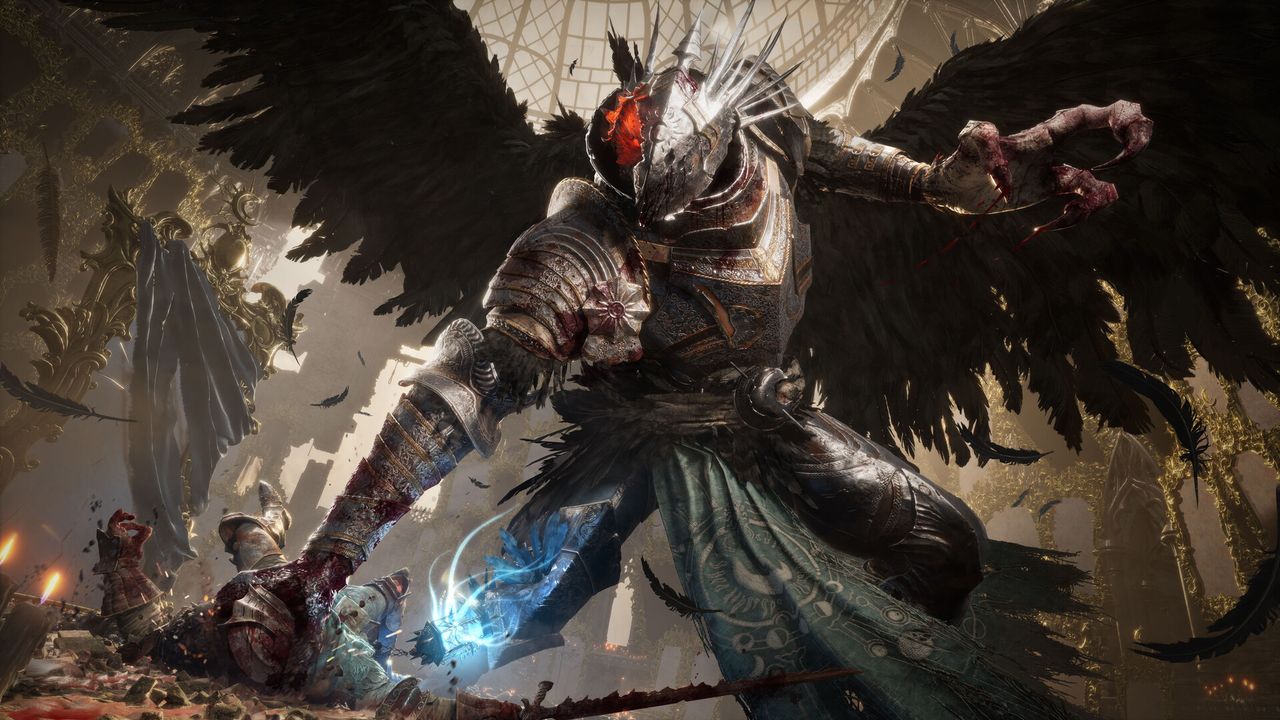
Enter the Umbral with a specific goal, act fast, and exit before the confirmed Dread system sends overwhelming threats at you. The original game let you plant a local respawn point (a Vestige Seedling) at a glowing flowerbed — CI Games hasn't confirmed whether the same tool carries over by that name, but expect some equivalent. Never run blindly — Umbral geometry twists relative to Axiom, and the path out may look different from the path in.
01What Is the Umbral Realm?
The Umbral is a parallel mirror world that exists simultaneously alongside Axiom, the living realm. In Lords of the Fallen II, both worlds are rendered at all times with no loading screen between them. You access the Umbral in two ways:
- Voluntarily: by using your Umbral Lamp to actively rip yourself through the veil — described as "an intentionally brutal process" by the developers.
- Involuntarily: by dying in Axiom. Death in the mortal realm sends you to the Umbral at your death location, where you must recover your Vigor and find a way to exit.
The Umbral version of each area contains hidden paths, platforms, and loot that do not exist in Axiom. Some progress-critical routes in the game require passing through Umbral — certain walls, floors, and bridges only exist in the dead realm. The Lamp soulsight feature (raising your lamp without stepping through) lets you peek at Umbral geometry from Axiom safely, which helps you plan before committing.
The key mechanical difference in LOTF II versus the first game: threats in the Umbral are now tied to your behaviour, not just how long you stand there. Noise, combat, failing to escape, and aggressive exploration all contribute to escalating danger.
02The Dread System — How Umbral Danger Escalates
The Dread system governs how dangerous your time in the Umbral becomes. Unlike the first game's relatively straightforward threat timer, Umbral 2.0's Dread is more player-driven:
- Time spent in Umbral contributes to Dread, but it is not the only factor.
- Combat actions — fighting, taking hits, missing attacks — escalate Dread faster.
- Attempting to leave and failing (being grabbed back by Umbral entities) spikes Dread significantly.
- Reaching high Dread triggers increasingly dangerous enemies: first standard Umbral shades, then elite variants, eventually morph enemies — foes that started as recognisable Axiom types but have twisted into Umbra-corrupted forms.
The Dread level is shown as a visual indicator (screen vignette colour, distortion effects, and audio) that intensifies as the realm grows hostile. Early on, watch for the screen edging to a deep red — that is your signal to find the exit or plant a Seedling.
Low Dread: occasional standard enemies, manageable pressure. Medium Dread: elite shadows appear alongside standard enemies. High Dread: morph enemies spawn, visual distortion makes navigation harder, audio becomes overwhelming. At maximum Dread you face near-constant aggression that is extremely difficult to survive without strong gear.
03Vestige Seedlings — Your Lifeline in the Original Game (and Probably the Sequel)
In the original Lords of the Fallen, Vestige Seedlings are temporary respawn points grown at glowing flowerbeds using your Umbral Lamp. As of September 2026, CI Games hasn't specifically confirmed whether Lords of the Fallen II keeps this exact tool by name — but since the Umbral Lamp itself has been confirmed to return, and the whole point of 'Umbral 2.0' is making the realm more dangerous to linger in, having some kind of local respawn option would make sense. Until the sequel shows it directly, here's how the system worked the first time, and the habit worth carrying forward regardless of the exact implementation:
- In the original game: raise your Umbral Lamp at a glowing flowerbed (in Axiom) or an Umbral flowerbed (in Umbral) and hold the interact button to grow a Seedling.
- Seedlings were temporary and could despawn when you returned to Axiom, but persisted long enough for extended Umbral sessions.
- Permanent Vestiges in the Umbral functioned exactly like Axiom Vestiges and did not despawn.
- Dying in the Umbral with no nearby Seedling and no Umbral Vestige sent you back to the last permanent Axiom Vestige — potentially far from wherever you died.
Whatever the sequel calls it: on your first visit to any new Umbral area, look for a way to plant a local checkpoint before you go exploring. That habit prevented the most frustrating deaths in the original game, and it's a safe bet to carry into the sequel even before the exact mechanic is confirmed.
04How to Navigate the Umbral — Geometry and Paths
The Umbral is not a copy of Axiom — it is a distorted, decayed mirror of it. Walls that exist in Axiom may not exist in Umbral; platforms that are broken in the living world may be intact in the dead realm. This creates both opportunities (passages through walls) and hazards (floors that appear solid but drop away).
- Use Lamp soulsight before entering. Raise your lamp in Axiom to see the Umbral layout through the veil. This costs nothing and reveals the first several metres of Umbral space safely.
- Map your entry and exit separately. The Umbral's geometry can make the route back feel completely different from the route in. Mentally note unique environmental markers (distinctive enemies, colour shifts, structural features) near your entry point.
- Umbral fog and darkness increase at high Dread. Navigate aggressively before your Dread escalates — the further it rises, the harder orientation becomes.
- Some Umbral-only paths require a lamp action mid-route. You may need to use the lamp to interact with Umbral objects or remove barriers, even while already inside the Umbral. Keep your lamp raised when exploring new areas.
Morph enemies are a particular navigation hazard — they transform between forms, changing their hitbox and attack patterns mid-fight. Do not assume an enemy's vulnerabilities based on its initial appearance in the Umbral.
05Exiting the Umbral — When and How
Leaving the Umbral is the most important skill the game teaches slowly. There are several exit methods, and knowing them before you are desperate is crucial:
- Find an Umbral exit beacon. Beacons (glowing pillars of light in the Umbral) are the cleanest exits — interact with them to return to Axiom at the corresponding location.
- Use a Vestige or Seedling. Resting at any Vestige or Seedling while in the Umbral returns you to Axiom at that Vestige's Axiom equivalent.
- Consumable exit items. Certain single-use consumables in your inventory can force an Axiom transition instantly — useful when you're at high Dread and too far from an exit beacon.
- Boss Fog Walls. Entering a boss fight from the Umbral typically places you at the boss arena in the Umbral, which exits to Axiom upon boss death.
When to exit: the moment you achieve your Umbral goal (loot, path, enemy, boss access), leave. Lingering to fight optional Umbral enemies at high Dread consumes healing resources that are more valuable in Axiom progression. The risk/reward rarely favours staying.
06Umbral Tips by Play Stage
Early game (first two to three areas):
- Enter only with a clear goal — a specific piece of loot, a blocked path you've identified via soulsight, or to retrieve your Vigor after an Axiom death.
- Plant a Seedling first. Every time.
- Exit at Medium Dread or earlier. High Dread is not survivable with early-game gear.
Mid game:
- Prioritise your general defensive stats and gear — no confirmed sequel mechanic directly ties a specific stat to slowing Dread escalation, so don't chase a build around that assumption.
- Learn the morph enemy transformations in each biome — they follow consistent patterns once you recognise the trigger animation.
- Start mapping Umbral-only routes on a mental checklist: which passages in Axiom have Umbral counterparts, and where do they lead?
Late game:
- High-level Umbral areas contain the best loot and weapon upgrades in the game, but Dread escalates faster in deeper areas.
- A co-op partner significantly extends your Umbral survivability — two players can handle morph enemies more reliably and share Dread management.
- Some endgame builds will likely sustain Umbral presence longer than others once the game's full stat and gear systems are known, but no build should be expected to make Umbral safe indefinitely — the Dread system is confirmed to escalate the longer and more aggressively you engage with it.
FAQ
What is the Umbral realm in Lords of the Fallen II?
The Umbral is a parallel mirror world layered directly over Axiom, the living realm. Both worlds are rendered simultaneously with no loading screen. You enter the Umbral voluntarily via your Umbral Lamp or involuntarily by dying in Axiom. It contains hidden paths, loot, and enemies not present in the living world, but becomes increasingly dangerous the longer you stay due to the Dread escalation system.
How do I get out of the Umbral in Lords of the Fallen II?
Look for an Umbral exit beacon (a glowing pillar of light) and interact with it to return to Axiom. You can also rest at any Vestige or Vestige Seedling while in the Umbral to exit. Certain consumable items force an instant Axiom transition. If you're desperate and near a boss fog wall, entering the boss fight also transitions you out of roaming Umbral space.
How does the Dread system work in Lords of the Fallen II?
Dread is the danger escalation mechanic in the Umbral. Unlike the first game's timer-based system, Umbral 2.0 ties Dread to your behaviour — spending time in combat, taking hits, and failing to exit all raise Dread faster than simply standing still. As Dread rises, stronger enemies appear and the visual environment distorts. At high Dread, the Umbral becomes nearly unnavigable without strong gear.
What are Vestige Seedlings and how do I plant them?
Vestige Seedlings were temporary respawn points in the original Lords of the Fallen: raise your Umbral Lamp at a glowing flowerbed and hold the interact button to grow one, creating a local checkpoint that persisted through your Umbral session. CI Games hasn't confirmed whether Lords of the Fallen II keeps this exact system by name, but planting some kind of local checkpoint before exploring a new Umbral area is a habit worth carrying into the sequel regardless.
What are morph enemies in Lords of the Fallen II?
Morph enemies are a new enemy type in LOTF II that start as recognisable Axiom-type foes but transform into twisted Umbra-corrupted variants during combat. Their transformation changes hitboxes, attack patterns, and sometimes damage type. Watch for the transformation animation — during it, many morph enemies are briefly staggered, giving you a free attack window.
undefined
Lords of the Fallen II has confirmed full shared-progression co-op from day one, which should extend to the Umbral given the realm is central to the game. Exactly how Dread and respawn points work between two players in the Umbral hasn't been detailed pre-release, but a co-op partner generally reduces the punishment any single player eats in a hard encounter, which should apply here too.
Sources
Where the facts on this page were checked. If one of them now says something different, we want to know — tell us and we will fix the guide.
- Lords of the Fallen II wants Umbral to haunt you harder Gaming Trend
- Lords of the Fallen II Previews Expanded Role of Umbral, With Greater Player Control, and New Features MMORPG.com
- Lords of the Fallen II unveiled, releases 2026 on PS5 PlayStation Blog
- Lords of the Fallen II Shows Off Extended Look At New Enemies, Weapons, Spells and More In 40 Min Gameplay Showcase WorthPlaying
New & updated guides ship every week. Follow the Atom feed or get notified when new Lords of the Fallen II guides land.