Last updated: 5 September 2026
Lords of the Fallen II Combat Guide for Beginners — Master Soulslike Combat
Lords of the Fallen II's combat has been overhauled from its predecessor: CI Games has publicly confirmed it is faster and more aggressive, and introduces a new dismemberment system and brutal executions. The game is still unreleased as of September 2026, so some specifics below — stamina behaviour, the Wither mechanic, upgrade material names — are carried over from what's confirmed in the 2023 original rather than re-confirmed for the sequel; those are flagged inline. The Soulslike fundamentals should still apply either way: stamina, spacing, and patience. This guide walks through every core combat concept that trips up new players, so you spend less time dying from mechanical confusion and more time dying from legitimate challenge.
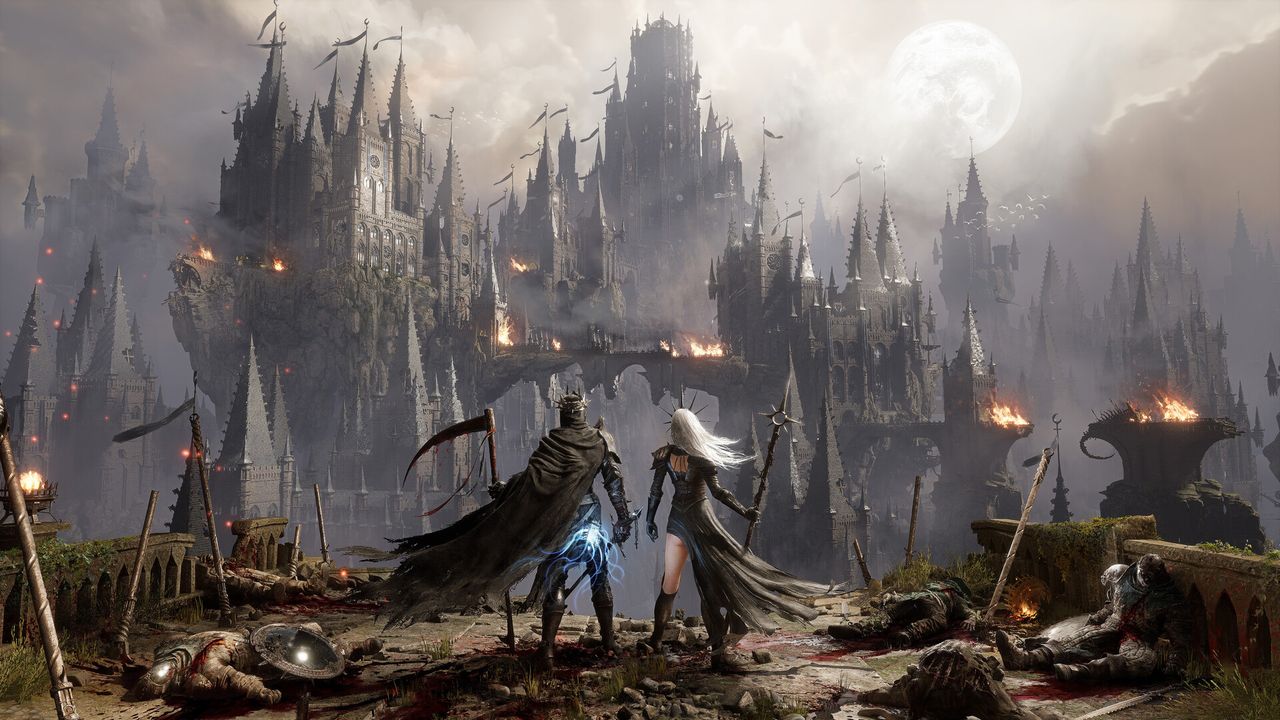
Watch your stamina bar — it is your most important combat resource in every Soulslike, including this one. Learn one enemy's full attack pattern before trying to punish. CI Games has confirmed dismemberment and brutal new executions for Lords of the Fallen II; the original game's Wither system (grey, recoverable HP) hasn't been specifically re-confirmed for the sequel yet, but understanding how it worked the first time is the best preparation available. Don't panic-dodge: one well-timed roll beats five frantic ones.
01Stamina — Your Most Important Combat Resource
Every offensive and defensive action in Lords of the Fallen II costs stamina: attacks, dodges, blocks, and sprinting all draw from the same bar. Stamina regenerates automatically when you are not performing these actions, but the regen is paused while you hold your shield up in block stance. Managing stamina actively — not just reactively — is the defining skill of the game.
- Never fully drain your stamina bar in a fight. An empty bar means you cannot dodge the enemy's follow-up hit. Keep at least one dodge worth of stamina in reserve.
- Watch for openings, not just combos. After draining your stamina on a combo, create space (backstep or sprint away) and let it regen before re-engaging.
- Blocking drains stamina per blocked hit, not passively. A shield is not free — heavy enemy hits can deplete your stamina through consecutive blocks, leaving you unable to dodge the next strike.
- Heavy weapons drain stamina faster per swing. If you are using a greatsword or hammer, you have fewer swings per stamina bar than a dagger or straight sword user. Factor this into your attack string length.
In the original Lords of the Fallen, the Endurance stat directly increased maximum stamina and equipment load. CI Games hasn't published a full stat breakdown for the sequel yet, but if the same attribute system carries over, raising Endurance early is unlikely to be wasted investment.
02Dodging vs. Blocking — When to Use Each
Both dodging and blocking are valid defensive options in LOTF II, and which you use should depend on the specific attack you are responding to, not habit.
Dodge-rolling gives you brief invincibility frames (i-frames) during the roll animation. If you time the roll to start just before an enemy attack lands, the attack passes through you entirely. This is the higher-skill option — you need to read the enemy's attack timing — but it conserves stamina better against aggressive multi-hit enemies because you are taking no hits at all.
Blocking absorbs damage at the cost of stamina. Even a perfect block from a large enemy drains significant stamina. Blocking's advantage is that it is more forgiving for timing — you do not need to hit a specific frame, just have your shield up. Its limitation is that it fails catastrophically if your stamina runs dry mid-string.
- Against single heavy attacks (boss charge, large enemy swing): dodge, the stamina cost of blocking is too high.
- Against rapid multi-hit attacks where dodge timing is hard to read: block the first hit, then dodge the follow-up.
- Against enemies in tight corridors where backstep room is limited: block.
- Against enemies with grab attacks: always dodge — grabs bypass blocks entirely.
03Wither Damage — Hit Back or Die Slowly
Wither was the signature damage type of the original Lords of the Fallen (2023): blocking attacks, and certain enemy hits, converted a portion of your health to grey, "withered" HP rather than dealing permanent damage immediately. That grey portion could be recovered by dealing damage back to any enemy — but taking another hit before recovering it converted the withered HP into permanent loss. As of September 2026, CI Games hasn't specifically confirmed whether Wither returns unchanged, renamed, or reworked in Lords of the Fallen II — but given how central it was to the first game's identity, understanding it is the best preparation until the sequel shows its hand.
- In the original game, withered HP showed as a greyed-out section at the edge of your health bar.
- Hitting an enemy restored it — any damage you dealt healed your withered HP portion. Landing a hit before taking another incoming blow was the key skill.
- Don't panic-heal withered HP. A Sanguinarix charge (the original game's healing flask) restored your actual red HP, not withered HP. Using a heal charge while carrying significant Wither damage wasted it — attack first to restore the withered portion, heal only if your actual red HP is critically low.
- In the original game, some enemies leaned hard on Wither by forcing you to block or by applying it directly through their attacks. Against those fights, aggressive counter-play (attacking immediately after their combo) beat a defensive, reactive approach.
This principle — measured aggression beating passive turtling — held up in the original game and lines up with what CI Games has publicly said about the sequel's faster, more aggressive combat design, even without a confirmed Wither mechanic to point to yet.
04Dismemberment and Executions — New Combat Tools
Lords of the Fallen II introduces a limb dismemberment system and executions, both of which are new to the franchise. Understanding how to trigger and use them effectively changes how you approach many fights.
CI Games has confirmed 'visceral dismemberments' as part of the sequel's combat identity, alongside brutal executions, but hasn't published a detailed breakdown of exactly how targeting specific limbs changes enemy behaviour. Based on how similar systems work in other Soulslikes, it's a reasonable expectation that dismemberment rewards concentrated damage to specific body parts rather than randomly chaining the fastest combo — but treat the specifics below as an informed guess, not a confirmed mechanic, until you can verify it in the released game.
- If dismemberment works like comparable systems, aiming heavy attacks at an enemy's weapon arm should reduce their offensive threat faster than just chipping away at HP.
- Watch for dismembered enemies changing their attack behaviour after losing a limb, and adapt your dodge timing accordingly — a safe habit regardless of the exact mechanic.
- Some enemies will likely be tougher to dismember than others; without confirmed details, prioritise whatever visibly staggers or reacts to your hits first.
Executions are finishing moves triggered when an enemy's HP drops to a threshold. CI Games has publicly described them as brutal, graphic finishers as part of the sequel's more aggressive combat identity; expect them to deal heavy damage and to be useful for capping off a fight, though the exact trigger conditions and any interaction with other mechanics haven't been detailed pre-release.
Both dismemberment and executions play into LOTF II's faster combat pace — the game actively rewards reading specific enemy anatomy rather than generic "dodge and hit".
05Reading Enemy Patterns — The Core Skill
Every death in a Soulslike is information. The most efficient way to improve is to die to each new enemy type with intention — observe what it does, not just when you died. Here is how to approach learning a new enemy:
- Watch the full attack string on the first encounter. Run away and let the enemy chase you without attacking. Count the hits in its combo, note where there are pauses, and identify the end of its attack sequence (when it is vulnerable).
- Identify the punish window. Every enemy has at least one recovery moment after a combo or heavy attack where they are briefly still. This is when you attack. Do not attack during the combo.
- Test one attack type at a time. Try dodging a specific attack repeatedly until you get the timing right before adding it to your live combat pattern.
- Respect range. Many enemies in LOTF II have deceptive reach — attacks that look short-ranged clip through corners, and medium-range weapons can catch you during your own attack animation. Back off a half-step further than you think you need to.
CI Games has publicly described Lords of the Fallen II's combat as faster and more aggressive than the original — the exact numbers aren't published, so don't expect a precise percentage difference from other Soulslikes, but plan on a shorter reading period than you're used to. The patterns should still be learnable with the approach above.
06Weapon Upgrades — The Multiplier
Upgrading your weapon was the single biggest damage multiplier available in the early game in the original Lords of the Fallen, and even a modest early upgrade to a starting weapon could outpace switching to an un-upgraded "better" weapon found later. CI Games hasn't detailed the sequel's specific upgrade-material names or exact bonuses, so the general principle below is carried over from the original rather than confirmed for Lords of the Fallen II.
- In the original game, upgrade materials (named Deralium shards, chunks, and similar) were found throughout the world and in Umbral caches. Expect an equivalent system in the sequel, even if the exact item names change.
- Prioritise one weapon. Spreading upgrade materials across three weapons leaves everything weak. Pick the weapon type you prefer fighting with, not the one with the highest base attack.
- In the original game, weapon scaling used a letter grade (S/A/B/C/D/E) next to each stat that multiplied the stat into bonus damage — a Strength-scaling weapon with a high Strength grade gained more from Strength levels than an Agility-scaling weapon would. If the sequel keeps a similar scaling display, match your upgrade priority to your stat investment the same way.
- In the original game, weapons could be returned to vendors for most of their upgrade cost, losing a small amount of materials in the process. Plan before committing to deep upgrades until you know whether the sequel keeps this option.
FAQ
How does stamina work in Lords of the Fallen II?
Stamina is consumed by every attack, dodge, block, and sprint. It regenerates automatically when you stop acting, but the regen pauses while your shield is raised. Running your stamina bar to empty in a fight means you cannot dodge the next incoming hit. Always keep at least one dodge's worth of stamina in reserve, and raise your Endurance stat early to increase the maximum bar.
What is Wither damage in Lords of the Fallen II?
Wither hasn't been specifically confirmed for the sequel as of September 2026, but it was the signature mechanic of the original Lords of the Fallen (2023): it converted a portion of your HP to grey 'withered' health rather than permanent loss. You recovered withered HP by dealing damage to an enemy — hitting back restored it. If you took another hit before recovering it, it became permanent damage, and your flask (Sanguinarix) only healed real HP, not the grey portion. If the sequel keeps the system, expect it to work the same way.
Should I dodge or block in Lords of the Fallen II?
Both options are situational. Dodge-rolling has invincibility frames at the right timing and is better against heavy single attacks, but requires learning enemy timing precisely. Blocking is more forgiving on timing but drains stamina on each hit and fails if your stamina runs empty. Against grab attacks, always dodge — grabs bypass blocks entirely.
What is the dismemberment system in Lords of the Fallen II?
CI Games has confirmed a dismemberment system as part of Lords of the Fallen II's more visceral combat, letting you sever enemy limbs through concentrated damage to specific body parts. The exact effect of dismembering a given limb (weapon arm, leg, and so on) hasn't been detailed pre-release, but based on how similar systems work elsewhere, expect it to reduce an enemy's offensive options and change their attack pattern — adapt your dodging after landing one.
How do I get better at combat in Lords of the Fallen II?
Watch each new enemy's full attack string before engaging — let it chase you without attacking and count its combo hits. Identify the recovery window at the end of its combo and attack only then. Test your dodge timing against one specific attack repeatedly until it feels consistent. Upgrade one weapon consistently rather than spreading materials across several. Patience and observation beat speed and aggression every time in the early game.
Sources
Where the facts on this page were checked. If one of them now says something different, we want to know — tell us and we will fix the guide.
- New Lords of the Fallen II Trailer Revealed at Summer Game Fest Confirms Simultaneous Launch on Steam Alongside Other Platforms in Fall of this Year CI Games
- Lords of the Fallen II unveiled, releases 2026 on PS5 PlayStation Blog
- Lords of the Fallen II wants Umbral to haunt you harder Gaming Trend
- Lords of the Fallen Wither Damage Explained The Nerd Stash
New & updated guides ship every week. Follow the Atom feed or get notified when new Lords of the Fallen II guides land.