Last updated: 5 September 2026
Fable Social Sim Guide — Reputation, Property, Romance & Business
One of the things that made the original Fable series feel unlike any other RPG was its social simulation layer — the ability to not just save Albion, but to live in it. Buy a house, marry a local, start a family, run a tavern, become a well-known landlord in Bowerstone. Playground Games' reboot is bringing these systems back, with over a thousand individually voiced NPCs, buildings you can enter, and a reputation system that's tracked locally per settlement rather than as one global morality score. This guide walks through what's actually been shown and confirmed about these systems so far, and is clear about where details are still missing.
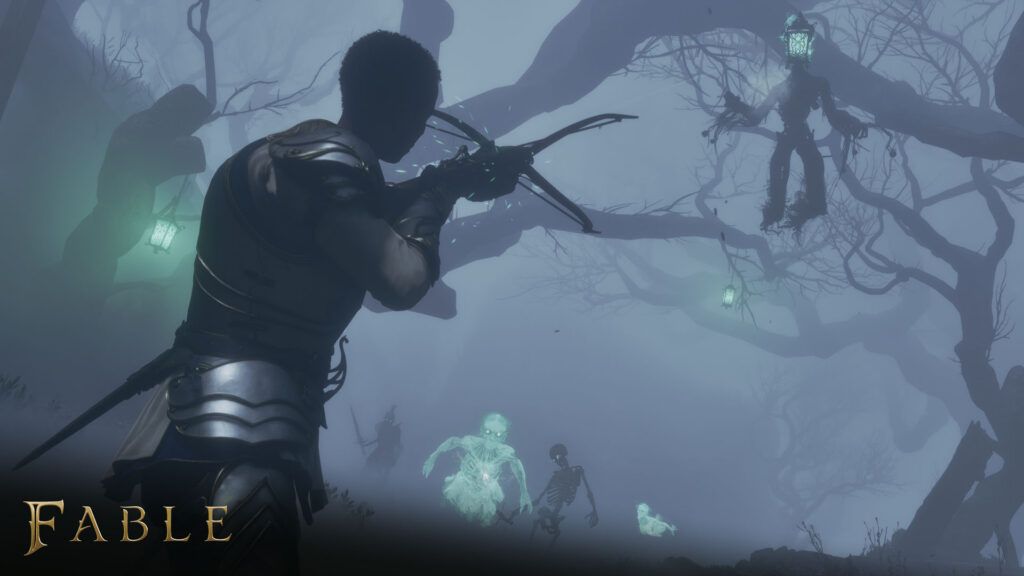
Fable's social simulation — property ownership, business management, romance, and NPC interactions — is one of the game's most talked-about pre-release systems. Based on Playground Games' public gameplay deep dive and developer interviews so far: reputation is tracked locally per town (not a single good/evil score), most buildings can reportedly be entered and many bought, and you can date, marry, and start a family with NPCs. Exact numbers and some mechanics haven't been detailed publicly yet — this guide flags what's confirmed versus what's still unclear.
01Understanding the Reputation System
Fable's reputation is not one global good/evil score. It's tracked locally, town by town — what you do in Bowerstone doesn't automatically follow you to Bloodstone. Playground Games general manager Ralph Fulton has said the game has no objective good and evil: NPCs judge you subjectively, based on what they've personally seen and what they value.
Playground Games' public gameplay deep dive showed on-screen and map reputation labels including:
- Virtuous and Kind — built from visibly helpful, peaceful actions in a given town.
- Rich — tied to visible wealth and property in that area.
- Cruel and Heartless — built from harmful or ruthless actions witnessed by locals.
- Out of order — shown in the same demo, though Playground Games hasn't fully explained what triggers it.
These labels are built from what people in that town have actually seen you do, not a hidden universal morality meter — and reputation isn't necessarily permanent. The gameplay deep dive also showed the hero paying local gossipmongers to spread a different version of events, reshaping how a town remembers past actions.
Individual NPCs react to your reputation in their own way rather than off one shared scale: coverage of the game's "Living Population" system describes NPCs that can come to like, fear, or fancy the hero depending on what they've seen — and the gameplay deep dive noted some characters are drawn to a harsher, "heartless" reputation rather than repelled by it. Playground Games hasn't published a full breakdown of exactly which traits each NPC responds to, so treat any very specific NPC-compatibility chart you see online as unconfirmed until the game is out.
02Property Ownership — Becoming a Landlord
Property ownership is a confirmed returning system. Playground Games general manager Ralph Fulton put it simply: "You can buy that house, you can live in it." Coverage of the hands-on demos reports that every building in Albion can be entered, and that many can be purchased outright.
What's been shown of property and business ownership so far:
- Buying and living in a home: once you buy a house, you can move in and use it as a personal base.
- Being a landlord: demo coverage describes setting rents on property you own, evicting tenants, or paying people to leave — and that these choices affect your reputation in that specific town.
- Running a business: you can buy shops and taverns and hire staff, including NPCs you've met — one preview specifically describes being able to offer a job to a beggar encountered elsewhere in the world.
- Managing staff, wages, and pricing: reporting describes a management menu covering hiring, wages, and pricing, with individual staff members affecting how well a business does — in one demoed example, a "caring" barmaid added a 10% income boost. Coverage also notes that treating staff poorly can lead to them quitting.
Exact numbers — how much a given property earns, what it costs to buy, whether there's an upkeep/repair requirement like in Fable III — have not been detailed publicly yet, so treat specific gold figures elsewhere online as unconfirmed. What is confirmed is that property and business decisions in a town are tied into that town's local reputation system described above.
03Romance and Marriage — Building Relationships
Fable lets you build relationships with its NPCs, up to and including marriage. Asked about the scale of this at a 2026 gameplay showcase, Playground Games founder Ralph Fulton said: "There's 1,000 of them in the game. You can go and speak to every single one of them in fully voiced conversations. You could marry, it'll be a bit of work, but you could marry them all."
What's been confirmed about courtship and family so far:
- Courtship has individual conditions: in one gameplay demo, a merchant NPC only agreed to a date once the hero was wearing fancy clothes, owned a home, and was known locally as an entrepreneur — building the right reputation and owning property can directly open up romance options with specific NPCs.
- Marriage requires parental approval: reporting on the gameplay deep dive states that marriage requires the approval of the NPC's parents before it can go ahead, rather than being automatic once they're interested in you.
- You can have children: Fulton confirmed this directly — "You can have kids with them, you can hire them, you can fire them, they are just great fun" — though how children function in play hasn't been shown in detail yet.
- Relationships can end: the gameplay deep dive showed a hero breaking off a relationship. Whether there's a full, spouse-initiated "divorce" mechanic hasn't been clearly shown in public coverage yet — treat that specific detail as unconfirmed for now.
Your wider reputation feeds into romance too: demo coverage notes that some NPCs are drawn to a harsher, "heartless" reputation while others would be put off by it, so who's realistically open to romancing you can depend on how the rest of Albion currently sees you.
04Interacting With NPCs — Reading Personalities
Fable's roughly 1,000 NPCs are individually named, scheduled, and voiced rather than generic crowd fillers, and coverage describes each one carrying their own personality and reacting to you based on their own view of things rather than off a shared score.
Beyond that, Playground Games hasn't published a full public breakdown of how many personality types exist or exactly which reputation traits each type responds to. What's been shown so far is anecdotal rather than systematic — specific NPCs with specific asks, like the merchant above who wanted a home-owning entrepreneur before agreeing to a date, rather than a documented chart of trait compatibility. If you see a guide online listing named "NPC personality types" with exact trait requirements for the reboot, treat it as unverified speculation until Playground Games confirms it or the game is out and it can be checked directly.
The safest approach pre-launch: pay attention to what individual NPCs say about themselves and what they mention valuing in conversation, and expect reputation and property/business ownership — both confirmed to matter — to be more reliable levers than any specific unconfirmed trait list.
05Getting Rich — Income Strategies
Money funds Fable's social simulation — property, businesses, and equipment all reportedly cost gold. Here's what's confirmed versus still unclear about earning it:
- Quest rewards: completing quests is the most straightforward gold source in any Fable game, including this one, and is a reasonable way to fund your first property purchase early on.
- Owning property and businesses: confirmed as a route to income — the demoed example of a "caring" barmaid adding a 10% income boost to a tavern suggests staffing choices matter — but exact passive-income rates and numbers haven't been detailed publicly.
- Merchant trading: earlier Fable games included buying and selling goods for profit. Whether the reboot includes a full price-arbitrage trading loop hasn't been confirmed in what Playground Games has shown publicly so far — treat this as an unconfirmed possibility, not a guaranteed strategy.
- Crafting and trade side activities: not confirmed for the reboot in the sources checked for this guide. Don't assume a specific crafting/blacksmithing gold loop exists until it's shown or confirmed.
- Gambling: earlier Fable games included tavern gambling mini-games as a gold sink. This has not been specifically confirmed for the reboot — if it returns, treat it as a risky option for spare gold rather than a core strategy.
FAQ
Can you get married in Fable?
Yes. Playground Games founder Ralph Fulton has said all 1,000 of the game's NPCs are romanceable and marriageable in principle ("it'll be a bit of work, but you could marry them all"). Courtship has individual conditions per NPC, marriage reportedly requires the approval of the NPC's parents, and Fulton confirmed you can have children together. Details on exactly how a full "divorce" mechanic works, if at all, haven't been shown publicly yet.
Can you buy every property in Fable?
Playground Games general manager Ralph Fulton has said "you can buy that house, you can live in it," and coverage of hands-on demos describes every building in Albion as enterable, with many purchasable outright. Exact numbers — how many buildings, prices, or whether literally every single one is for sale — haven't been published yet, so treat a specific total as unconfirmed until launch.
How does the reputation system work?
Reputation is tracked locally per town rather than as one global good/evil score, and Playground Games has said there's no objective good and evil in this Fable. Labels shown in the gameplay deep dive include virtuous, kind, rich, cruel, heartless, and out of order, built from what people in a given town have actually seen you do. You can also pay gossipmongers to spread a different version of your reputation. Individual NPCs react to this in their own way — some are even drawn to a harsher reputation rather than put off by it.
How do you build reputation with a specific NPC?
Playground Games hasn't published a full breakdown of exactly which traits every NPC type responds to, but demos have shown specific NPCs with specific asks — for example, a merchant who only agreed to a date once the hero owned a home, ran a business, and dressed the part. Building the right local reputation, owning property, and talking to NPCs to learn what they value seem to be the reliable levers shown so far; be skeptical of any guide claiming an exhaustive, exact trait-compatibility chart before the game is out.
Can you run a business in Fable?
Yes. You can buy shops and taverns, hire staff (including NPCs you've met elsewhere, such as a beggar), and set wages and pricing through a management menu. Individual staff affect performance — one demoed example showed a "caring" barmaid adding a 10% income boost — and reporting notes that treating staff poorly can lead to them quitting. Exact income numbers and rates haven't been detailed publicly.
Sources
Where the facts on this page were checked. If one of them now says something different, we want to know — tell us and we will fix the guide.
- Fable's gameplay demo, explained: Albion, reputation, and romance All Things How
- Fable's new 30-minute gameplay deep dive shows you how to buy property, fancy clothes, and get a date TweakTown
- Fable 2026 Brings Back Real Estate System, Developers Confirm Game8
- New Fable Game Is Making a Controversial Change to the Morality System Game Rant
- Fable's Living Population system lets you befriend, marry or murder all 1,000+ NPCs AltChar
- New Fable game lets you marry all 1,000 NPCs Game Rant
New & updated guides ship every week. Follow the Atom feed or get notified when new Fable guides land.