Last updated: 5 September 2026
Fable Combat Tips — Melee, Ranged, and Magic for Beginners
Fable, Playground Games' reboot of the Xbox RPG series, is still unreleased — Xbox has confirmed a February 23, 2027 launch date. Because of that, this isn't a guide written from finished-game experience; it's built from what Playground Games and outlets have actually demonstrated hands-on throughout 2026, most notably a dedicated Xbox Wire combat write-up from a press demo and a Developer_Direct interview with game director Ralph Fulton. The developers describe the system as "style-weaving": melee, ranged, and magic (mapped to the classic Strength/Skill/Will trio) are designed to blend together in real time with no mode-switch delay. The tips below stick to what's been confirmed in those previews, with anything speculative called out as such.
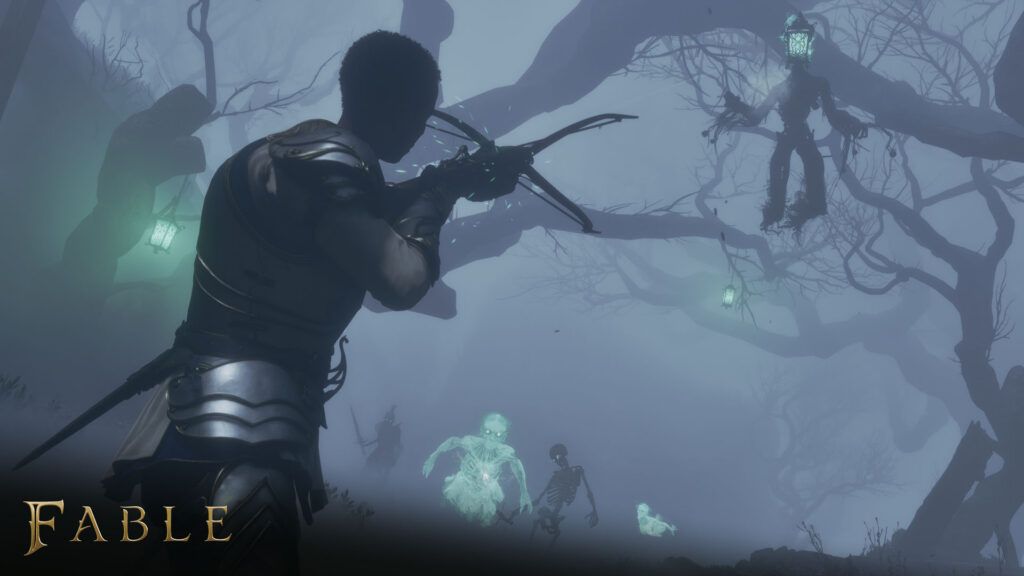
Fable is not out yet (it's scheduled for February 23, 2027), so nobody has final-release combat experience with it. What follows is based only on what Playground Games has actually shown in 2026 hands-on previews and its own Xbox Wire write-ups: the game uses a "style-weaving" system that lets you swap between melee (Strength), ranged (Skill), and magic (Will) without menus or delay, parries can decapitate skeleton enemies and leave them staggered, armored enemies are immune to ranged attacks on their armored parts, and spells run on a four-slot cooldown system rather than a shared mana bar. Anything not shown in an official preview is left out or clearly marked as unconfirmed.
01What "Style-Weaving" Actually Means
In an Xbox Wire interview ahead of gamescom 2026, Fable game director Ralph Fulton explained the design goal directly: "We're taking the original game's mix of melee, ranged, and magic – 'Strength, Skill, and Will' – and turning it into what we call style-weaving combat. We wanted to create a combat system which was fluid enough to allow you to really frictionlessly, seamlessly swap from melee to ranged to magic, without even a frame's delay on it."
The practical upshot, confirmed by press who went hands-on at gamescom 2026: there's no loadout menu to pause on mid-fight. Combat weapons and up to four equipped spells are chosen before an encounter, and during the fight you can freely mix them — for example, using a spell to disable a group of weaker enemies, a ranged shot to stagger a tougher one, and a melee strike to finish it off.
Because this is a pre-release, hands-on-preview account rather than a full playthrough, treat anything below that isn't tied to a specific confirmed detail (weapon names, spell effects, enemy behaviors) as general strategy rather than a guaranteed mechanic.
02Melee Combat — What's Been Shown
The hands-on demo covered by Xbox Wire equipped the Hero with a two-handed weapon called the Bower Hammer — described as slower but more powerful, able to take out weaker enemies quickly, and capable of hitting multiple enemies with a single swing.
- Charge attack: holding the attack input longer sends the Hero spinning through a group for multiple hits — useful specifically against clusters of enemies rather than a single target.
- Dodge and parry: both are confirmed defensive options. A successful parry against Fable's skeleton enemies (collectively called "Hollow Folk") can sever the enemy's head outright, leaving them staggered, open to a counterattack, and less accurate even if you don't follow up with a finishing blow.
- Finishers: weapon-specific finishing moves exist, though their exact triggers and animations for each weapon type haven't been fully detailed yet.
Against groups, one confirmed wrinkle: Hollow Folk come in melee, ranged, and armored variants, and armored enemies are immune to ranged attacks on their armored body parts. That means a mixed group can't be cleared with a bow alone — you'll need to close in with melee (or use magic) on the armored ones specifically.
No stamina meter, dodge-charge limit, or similar resource has been mentioned in any preview so far — if Fable does gate dodging or blocking by a resource, it hasn't been shown publicly yet.
03Ranged Combat — What's Been Shown
Two ranged weapons appeared in the gamescom 2026 press demo: the Deepwood Bow, which has a slower draw but high accuracy (previewers used it to land headshots before enemies closed the distance), and the Repeater Crossbow, which fires a rapid stream of weaker bolts.
- Weak points are real and confirmed: shooting an unarmored enemy in the leg causes it to stumble. Kotaku's hands-on preview also quotes associate game director Will Kennedy confirming headshots can dismember enemies without necessarily killing them, and that some enemies have randomized armored sections that block ranged damage entirely while other parts stay exposed.
- Rapid-fire options suit fast, weak enemies: in the same demo, the Repeater Crossbow's fast weak bolts were specifically useful against Wraiths — fast, low-health flying enemies that spawn additional Hollow Folk if left alive. Clearing Wraiths quickly with ranged weapons is a confirmed priority, not just a general tip.
- Bosses can have ranged-specific weak points: the mini-boss shown in the demo, the Lantern Keeper, has an unblockable fire-breath attack and a "lantern" weak spot that press previewers found ranged weapons hit more reliably than spells.
Nothing about projectile drop, leading moving targets, or ranged weapons as a dedicated "pull" tool has been confirmed in any preview — those would be reasonable guesses for an action-RPG, but they aren't backed by anything Playground Games has shown, so they're left out here.
04Magic Combat — The Seven Confirmed Spells
In the gamescom 2026 demo, spells were cast by holding RT and pressing one of four face buttons, each mapped to one equipped spell; casting puts that individual spell on a cooldown rather than draining a shared magic/mana resource the way earlier Fable games' Will bar did. Seven spells were shown across the two demo playthroughs:
- Fireball: a quick tap works as an interrupt; holding the cast button charges it into a larger, room-clearing explosion.
- Lightning: sends down bolts that chain between nearby enemies.
- Blades: spawns phantom daggers, useful against multiple enemies at range.
- Lift: draws multiple enemies helplessly into the air on first cast; casting it again slams the whole group back to the ground.
- Rush: a teleport that puts the Hero behind a target for a surprise melee hit, and can also be used to reach enemies in hard-to-reach vertical spots (like archers on ledges).
- Push: knocks enemies back — previewers specifically combined it with Rush to shove an enemy off a ledge to its death.
- Befowl: turns an enemy into a harmless chicken. Casting it on an undead enemy specifically creates an undead chicken, per Xbox Wire's hands-on account.
Confirmed combo examples from the preview: Lift followed by Lightning to zap a suspended group, and Rush-into-Push to knock an enemy off a ledge. Beyond that, elemental strengths/weaknesses tied to specific enemy types (for example, "undead are weak to holy magic") have not been confirmed anywhere and are not included here — treat any claim like that as speculation until Playground Games or a verified preview actually says otherwise.
05Enemies Confirmed So Far
- Hollow Folk — the collective name for Fable's skeleton enemies. They come in melee, ranged, and armored forms; armored ones resist ranged damage on their armored parts, and all Hollow Folk can be dismembered on unarmored body parts without necessarily being killed outright.
- Wraiths — fast, weak flying ghosts. Individually easy to kill (a couple of crossbow bolts is enough per the preview), but dangerous in numbers because they spawn additional Hollow Folk if not dealt with quickly.
- The Lantern Keeper — a large, slow-flying mini-boss with a serious health pool. Confirmed attacks include an unblockable fire-breath ranged attack, explosive projectiles, and the ability to spawn Wraiths mid-fight. Its lantern weak point was reported as more reliably hit with ranged weapons than with spells.
This is only what's appeared in public demos as of this writing — Fable will certainly ship with more enemy types that haven't been shown yet.
06Beginner Habits Worth Building (Based on What's Confirmed)
- Don't ignore dodging and parrying. Both are confirmed core defensive tools, and parrying specifically has a confirmed bonus effect against Hollow Folk (decapitation, followed by a stagger window).
- Deal with Wraiths first in mixed groups. This is a specifically confirmed priority from the preview, not just generic strategy — leaving Wraiths alive lets them keep spawning more Hollow Folk.
- Don't rely on a bow alone against armored enemies. Confirmed: armored Hollow Folk are immune to ranged damage on their armored parts, so mixed groups need melee or magic worked in.
- Pick your loadout with the fight in mind. Weapons and up to four spells are chosen before combat starts, and previewers found very different playstyles (aggressive melee-and-fire versus lift-and-lightning crowd control, for example) just by changing that loadout.
Anything about healing items, potions, or a stamina/resource meter has been left out of this list — none of it has been shown or confirmed in a preview as of this writing, and the original Fable trilogy having such systems is not evidence the reboot does too.
FAQ
How do you dodge in Fable?
Playground Games has confirmed dodging is one of the Hero's core defensive options in melee combat, alongside parrying. The exact button binding hasn't been detailed in previews, and no specific dodge-timing window or stamina cost has been confirmed either way — those specifics will have to wait for release or a more detailed preview.
Is melee or ranged better in Fable?
Neither is designed to be objectively better — game director Ralph Fulton has described the combat's whole design goal ("style-weaving") as letting melee, ranged, and magic blend together rather than having one dominant option. In the gamescom 2026 press demo, ranged weapons were specifically better against a boss's exposed weak point and at picking off unarmored enemies at a distance, while melee was needed to deal with armored Hollow Folk (who resist ranged damage on their armored parts) and cleared groups faster up close. The game appears designed to have you use both depending on the enemy, not pick one permanently.
Can you block or parry attacks in Fable?
Parry is confirmed — Xbox Wire's hands-on preview describes parries against Hollow Folk (Fable's skeleton enemies) as able to sever the enemy's head outright, leaving them staggered and open to a counterattack even without a follow-up hit. No separate "block" mechanic distinct from parrying has been mentioned in previews so far, so treat "block" and "parry" as the same confirmed system for now rather than two different ones.
Can you use all three combat styles in one fight?
Yes — this is the specific design goal Playground Games has talked about publicly, calling it "style-weaving." Hands-on previewers described using a spell to disable a group, a ranged shot to stagger a tougher enemy, and a melee strike to finish it off, all without pausing for a menu.
How do you beat hard enemies in Fable?
Based on what's been shown so far: check whether an enemy is armored before relying on a bow (armored Hollow Folk resist ranged damage on protected parts), prioritize killing Wraiths quickly since they spawn more enemies the longer they're alive, and watch for boss-specific mechanics — the Lantern Keeper mini-boss shown in previews has an unblockable fire-breath attack that has to be dodged rather than blocked, plus a lantern weak point that ranged weapons reportedly hit more reliably than spells.
Sources
Where the facts on this page were checked. If one of them now says something different, we want to know — tell us and we will fix the guide.
- Fable: Find Out How Combat Works After Our First Hands-on Xbox Wire
- Fable: Answering the Big Questions After that Long-Awaited Developer_Direct Deep-Dive Xbox Wire
- Fable — Available February 23, 2027 on Xbox and with Game Pass Xbox
- Hands-On With Fable's Combat: Lightning Bolts, Fireballs, And Dismemberment Kotaku
- Fable Gamescom Demo Reveals a Surprisingly Deep Combat System with Wild Build Variety Beebom
- Fable Showcases Combat With Melee Weapons, Magic, Bows, And Dismemberment Noisy Pixel
- Gamescom 2026: Fable's Combat Offers Everything I Wanted & More CGMagazine
- 15 Minutes of New Fable Gameplay Reveal Closer Look at Combat and Combat Difficulty Settings Vice
New & updated guides ship every week. Follow the Atom feed or get notified when new Fable guides land.