Last updated: 5 September 2026
Subnautica 2 Creature Guide — Passive, Predators & Apex Threats
The alien ocean of the Ariadne Arm in Subnautica 2 is full of life, and most of it would rather ignore you than bother you. Because the game was built with no weapons and no killable fauna, knowing which creatures are passive, which are aggressive but manageable, and which are apex-tier threats is the entire survival skill — there's no combat fallback. This guide breaks down the creature tiers confirmed as of the current Early Access build, the deterrent tools that actually exist in the game, and how to handle each type of encounter.
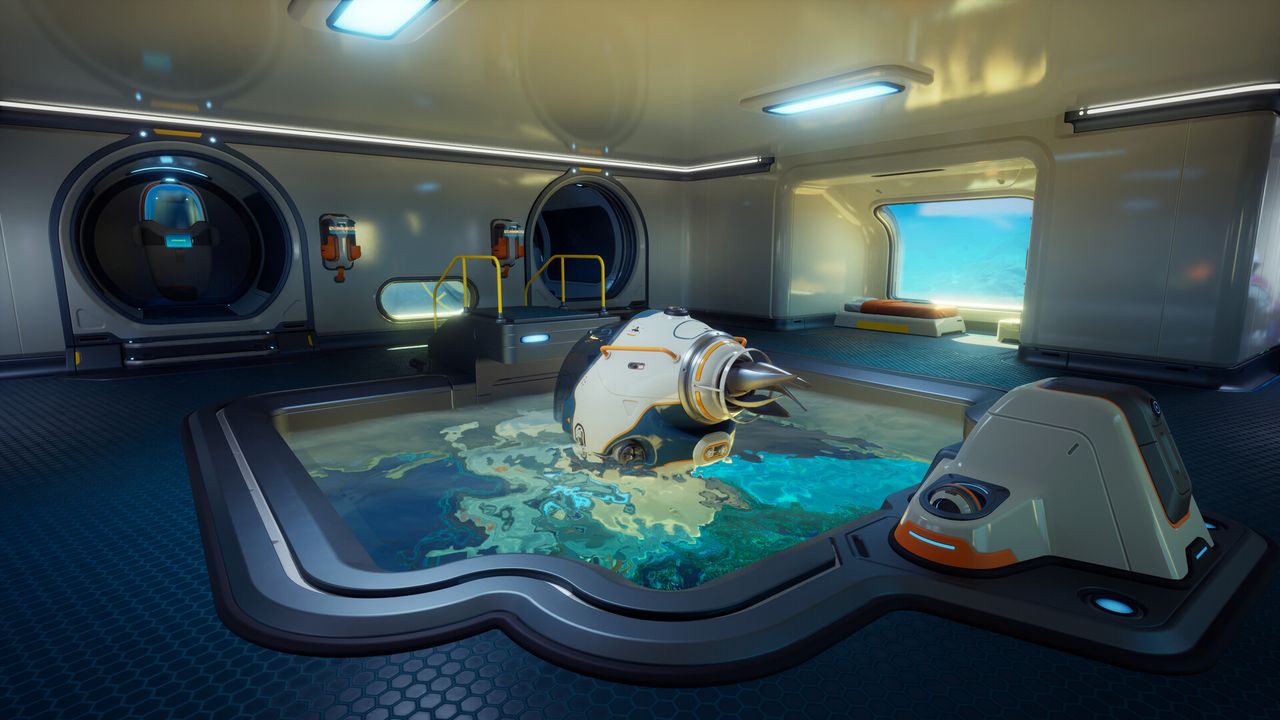
Subnautica 2 has no weapons and no way to kill fauna by design — every encounter is about avoidance and deterrence, not combat. The Shallows around your Lifepod are genuinely safe; the real danger starts once you push into Coral Gardens, the Graveyard, and deeper trenches. Scan everything, keep a Distraction Flare and Sonic Resonator on hand, and never assume you can out-fight the Collector Leviathan.
01How the Creature Threat System Works
Subnautica 2 was designed from the start with no weapons of any kind — developers have said directly that the goal was to avoid combat becoming 'bash them until dead,' so no creature in the game can be killed. That single design decision shapes everything below:
- Passive creatures won't initiate an attack. Many will still flee from you or from predators — passive doesn't mean unaware, just non-hostile.
- Aggressive predators attack when you get close, stare at them too long, or otherwise trigger their behavior. Most are manageable with the right tool or by simply leaving the area.
- Leviathan-class creatures are the largest and most dangerous lifeforms confirmed so far. The Collector Leviathan reacts to light, sound, and player behavior in real time rather than just patrolling on a fixed loop.
- Scanning a creature fills in its databank entry and can unlock biomods (passive perks tied to specific animals, such as Camouflage or Chum Cloud) — always worth doing from a safe distance.
The Early Access 1.1 'Adaptive Measures' update (July 8, 2026) added proper fleeing behavior for most creatures hit with the Survival Multitool — your basic cutting tool, which cannot harm fauna — along with a brief window where the creature won't retaliate except in self-defense. The same update gave the Sonic Resonator a similar effect: creatures hit by it enter a brief dizzy state before they can act again.
Because nothing in the game can be killed, the correct response to almost any aggressive creature is to break its focus (light, sound, or distance) and move on, rather than trying to fight it off.
02Passive Creatures — Safe (Mostly) and Useful
These animals won't attack on their own, and several are useful as food once you can safely eat alien lifeforms.
- Halfmoon — the small, passive fish that serves as Subnautica 2's mascot creature. Found across several biomes including Coral Gardens, the Graveyard, Necrolei Hills, and Root Canyon. It's edible once cooked (roughly +15 Food / -5 Water) and can even be temporarily stunned with repeated Survival Multitool hits — useful for scanning it up close. Like most passive fauna, it flees rather than fights when threatened.
- Other confirmed passive foragers — the databank lists several more non-hostile species around the starting biomes, including Bluemoon, Coral Crab, Geordie, Harvestmoon, and Waxmoon. Scan each one you meet; the databank entry confirms whether it's safe and what it's used for.
- Note that eating alien lifeforms safely requires unlocking the Digestion adaptation first — don't assume every fish you catch is edible from the start.
Scanning passive fauna as soon as you find it costs nothing and often unlocks a recipe or a biomod, so treat it as a standing habit rather than an optional extra.
03Aggressive Predators — Manage, Don't Panic
This is the mid-tier of Subnautica 2's creature roster: not leviathan-scale, but capable of hurting you if you're careless.
Marrowbreach — a bone-cutting predator found through the Shallows, Plateaus, and Graveyard areas of Coral Gardens. It tends to circle or stare before committing to an attack, and its eyes are unusually sensitive to bright light, which is enough to scare it off. It's also drawn to a thrown Distraction Flare, which is one of the most reliable ways to pull its attention away from you. A larger Graveyard variant hits noticeably harder and delivers a cinematic bite similar to a leviathan.
Houndgar — a small, squid-like pack hunter that partners with the Marrowbreach: it flashes brightly to disorient prey so the larger predator can close in. Seeing a Houndgar flash is a warning sign that a Marrowbreach attack may follow. Scanning one can unlock the Chum Cloud biomod.
Sandspear — a small ambush predator that buries itself in sediment across the Shallows, Plateaus, Overgrown Ruins, and Necrolei Hills, holding a lure proboscis above the sand. Its bite is fast and dangerous, but a buried Sandspear is startled by light and will swim off — sweep suspicious sand patches with your flashlight before crossing them.
Bloom Parasite — found around uncured Blooms and Angel Combs, it stares briefly at a target before rushing in to pierce it and feed, spreading a virus that makes larger hosts more aggressive. The Sonic Resonator and its upgrade, the Feedback Resonator, are specifically effective against it — the sonic pulse disrupts the crystalline buildup the virus forms in its tissue.
- None of these predators can be killed, so the goal is always to break their focus and put distance between you and them, not to fight them down.
- Bright light is a genuine, confirmed deterrent against both the Sandspear and the Marrowbreach — keep your flashlight charged.
- A Distraction Flare thrown away from your path is often the single best tool for slipping past a predator that's already noticed you.
04Leviathan-Class — Respect and Avoid
As of the current Early Access build, the confirmed leviathan-tier threat is the Collector Leviathan — an enormous cephalopod-like predator (tentatively catalogued as Tyrannoteuthis phobocoeus) and the first hostile leviathan players encounter. It's been officially described by the developers as reacting to light, sound, and player behavior in real time rather than following a simple patrol pattern.
The Collector Leviathan has been confirmed around the Karakorum Metal Farms and the Sparse Plains trench. It can grab and instantly end a dive through a scripted attack, and — unlike most large predators in earlier Subnautica games — it can reach its tentacles under rocks and into crevices, so tucking into a small gap is not a guaranteed escape.
- The Collector Leviathan cannot be killed; there is no combat solution to it, only avoidance.
- A thrown Distraction Flare, the Camouflage biomod, or simply breaking line of sight and surfacing are the confirmed ways to lose its attention.
- Because it can reach into crevices, don't assume any nearby rock formation is automatically safe — put real distance between yourself and its territory instead.
- The wiki's official creature roster also lists a Shiver Leviathan as another aggressive leviathan-class lifeform; treat any leviathan-sized creature you haven't scanned yet with the same caution until you know what it is.
05Creature Deterrent Tools
Since nothing can be killed, these are the tools the game actually gives you for managing encounters — not weapons, but distraction and stun devices. Recipes below are for the Fabricator unless noted.
- Distraction Flare — cheap (Titanium × 1, Quartz × 1), thrown roughly 15 metres, and unlocked from the start. Light-attracted predators will stop and stare at it instead of you, which makes it excellent against Marrowbreach and similar creatures.
- Sonic Resonator — requires 2× Titanium Ingot, 2× Lead, 1× Wiring Kit, and 1× Basic Battery. It stuns nearby mobile lifeforms and, since the 1.1 update, puts them into a brief dizzy state that stops retaliation for a short window. It's the specific counter to Bloom Parasites.
- Feedback Resonator — an upgrade of the Sonic Resonator built at a Modification Station (2× Enameled Glass, 2× Conduit Crystal, 2× Strontium). It fires a ranged stun projectile out to about 25 metres, so you can deter a predator without letting it get close, and it can also break down bacterial mineral formations the base Sonic Resonator can't touch.
- Survival Multitool — your basic cutting tool. It cannot harm fauna, but striking a creature with it triggers a flinch-and-flee response (added in the 1.1 update) and can temporarily stun small creatures like the Halfmoon with repeated hits.
There is no craftable weapon that damages or kills creatures in the current build — every tool above works by scaring, stunning, or distracting rather than dealing damage.
06Creatures That Can Help You
Not every creature interaction is defensive — scanning fauna is also how you unlock biomods, passive perks tied to specific animals.
- Scan Houndgars to unlock the Chum Cloud biomod.
- Biomods like Camouflage (confirmed as a way to slip away from the Collector Leviathan) come from scanning specific creatures across the game's biomes — treat every new scan as a potential unlock, not just a databank entry.
- Halfmoon and other confirmed passive fish are a reliable food source once you've unlocked the Digestion adaptation, so a Shallows fishing run is worth doing early even though there's no equivalent to the original game's Alien Containment confirmed yet for breeding them in captivity.
FAQ
Are there sharks in Subnautica 2?
Not traditional sharks by that name. The closest early-game equivalent is the Sandspear, a small ambush predator that buries in sediment and lunges at anything that swims over it — startled off by light rather than being a classic shark. The real large-predator threat is leviathan-class, not shark-shaped.
What is the most dangerous creature in Subnautica 2?
The Collector Leviathan, an enormous cephalopod-like predator and the first hostile leviathan players meet in the current Early Access build. It's confirmed around the Karakorum Metal Farms and Sparse Plains trench, can end a dive instantly if it grabs you, and can reach into crevices with its tentacles — so hiding in a small gap isn't automatically safe. It cannot be killed; avoidance is the only option.
How do I deal with aggressive creatures in Subnautica 2?
Use light and sound rather than force. A thrown Distraction Flare pulls attention away from you (effective on Marrowbreach and similar predators), a flashlight sweep startles a buried Sandspear into fleeing, and the Sonic Resonator (or its longer-range upgrade, the Feedback Resonator) puts nearby creatures into a brief dizzy state. Since nothing can be killed, the long-term fix is always learning a creature's trigger and routing around it.
Can you kill creatures in Subnautica 2?
No. Subnautica 2 was built without weapons specifically so players can't fight fauna to death — even the Survival Multitool, your basic cutting tool, cannot harm animals; it only makes them flinch and flee. Every deterrent in the game (Distraction Flare, Sonic Resonator, Feedback Resonator) works by scaring, stunning, or distracting, never by dealing lethal damage.
What should I scan first in Subnautica 2?
Scan the Halfmoon and other passive fish around your Lifepod in the Shallows first — their databank entries confirm they're safe and tell you what they're used for. Then scan any aggressive predator you encounter from a safe distance; scanning specific creatures like the Houndgar also unlocks biomods, so it pays off well beyond just filling in the databank.
What are biomods and how do I get them in Subnautica 2?
Biomods are passive perks unlocked by scanning specific creatures — for example, scanning a Houndgar unlocks the Chum Cloud biomod, and the Camouflage biomod (useful for slipping away from the Collector Leviathan) comes from another scannable animal. There's no full public list yet of every creature-to-biomod pairing, so scanning new fauna as you find it is the reliable way to keep unlocking them.
Sources
Where the facts on this page were checked. If one of them now says something different, we want to know — tell us and we will fix the guide.
- Lifeforms — Subnautica 2 Wiki Subnautica 2 Wiki
- Collector Leviathan — Subnautica 2 Wiki Subnautica 2 Wiki
- Sandspear — Subnautica 2 Wiki Subnautica 2 Wiki
- Bloom Parasite — Subnautica 2 Wiki Subnautica 2 Wiki
- Halfmoon — Subnautica 2 Wiki Subnautica 2 Wiki
- Survival Multitool — Subnautica 2 Wiki Subnautica 2 Wiki
- Sonic Resonator — Subnautica 2 Wiki Subnautica 2 Wiki
- Feedback Resonator — Subnautica 2 Wiki Subnautica 2 Wiki
- Houndgar — Subnautica 2 Wiki Subnautica 2 Wiki
- Marrowbreach — Subnautica 2 Wiki Subnautica 2 Wiki
- Subnautica 2 Adaptive Measures Update Unknown Worlds Entertainment
- Subnautica 2 Early Access 1.2 - Buddy System Update Steam / Unknown Worlds Entertainment
- Unknown Worlds Reveals the Collector Leviathan in Subnautica 2 Krafton
- Subnautica 2 Devs Confirm There Won't Be "Weapons Of Any Kind" TheGamer
New & updated guides ship every week. Follow the Atom feed or get notified when new Subnautica 2 guides land.