Last updated: 9 September 2026
Monster Hunter Wilds Sword and Shield Build Guide — Perfect Rush, Item Use & Best Skills
Sword and Shield is Monster Hunter Wilds's generalist weapon — the one piece of kit that never asks you to fully commit. Every other weapon forces a trade-off: sheathe to heal, commit to a combo, give up mobility for damage. Sword and Shield refuses all three. You can drink a potion, plant a trap, or sharpen your blade with the weapon still drawn, mid-fight, without losing your positioning. Layer on a genuinely strong shield-based defense — Guard, Perfect Guard, and a Counter Slash that punishes bad monster openings — and one of the highest sustained DPS combos in the game in Perfect Rush, and Sword and Shield stops looking like a beginner's training weapon and starts looking like a legitimate top-tier pick for players who value flexibility over raw single-hit numbers. This guide covers the core moveset, the skills worth prioritising, and how the current Title Update 4 build landscape looks for both raw and elemental setups. Cross-check the official game wiki if patches have landed after this guide's verified version.
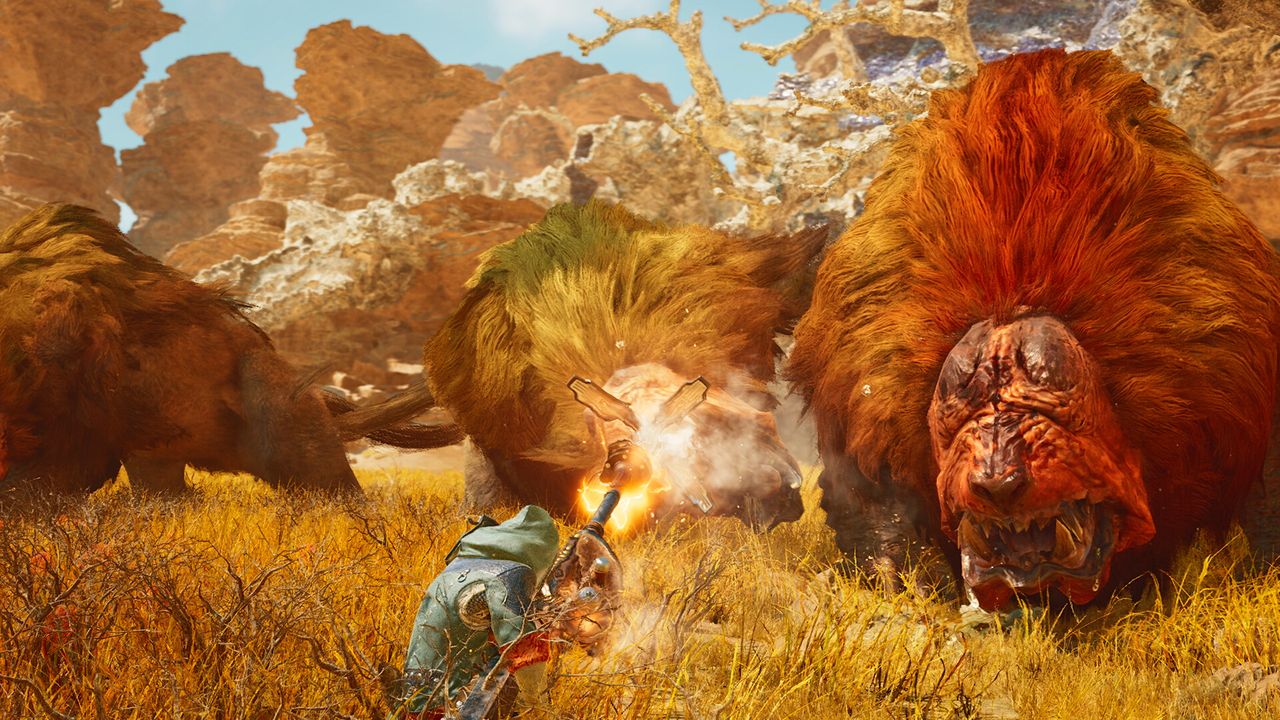
Sword and Shield's defining trick is Item Use without sheathing — heal, buff, and trap mid-combat without ever stopping your combo. Build around Weakness Exploit, Critical Boost and Agitator for raw affinity damage, or swap in Element Attack for a matched elemental build. Perfect Guard into Counter Slash punishes almost anything a monster throws at you.
01Why Play Sword and Shield?
Sword and Shield trades the biggest single hits in the game for something no other weapon offers: total combat flexibility. Its three defining strengths:
- Item Use without sheathing: Every other weapon has to be sheathed before drinking a potion or using most items — a vulnerable animation that can cost you a hunt against an aggressive monster. Sword and Shield can drink Potions, eat for buffs, throw traps, sharpen the blade, and fire the Slinger, all with the weapon still drawn. This alone makes it one of the best support-capable weapons for co-op hunts.
- Perfect Guard and Counter Slash: The small shield blocks far more than its size suggests, and timing a block right as a hit lands triggers a Perfect Guard — no chip damage, no stagger, no knockback. A Perfect Guard opens into a spinning Counter Slash that punishes the monster's opening directly, turning defense into free offense.
- Perfect Rush: A multi-hit combo string with a visual timing flash on each swing. Landing every hit on-beat delivers one of the highest sustained damage combos of any weapon in the game, and it can inflict elemental and ailment buildup efficiently across its many hits.
The trade-off: Sword and Shield's per-hit raw damage is genuinely low compared to a Great Sword or Hammer swing. It compensates with attack speed, sustained combo uptime, and mechanics no other weapon has access to — but if you are chasing the single biggest number on the damage meter, this is not that weapon. If you want the beginner-friendly comparison against other weapon types, see the Best Beginner Weapons guide.
02Core Moveset: Perfect Rush, Guard and Charged Chop
Sword and Shield's kit centres on three interlocking systems:
- Perfect Rush. A multi-hit sword combo where each swing flashes visually right before its optimal follow-up window. Chaining hits on that flash rather than mashing the attack button raises the total damage of the combo significantly and keeps ailment/element buildup high across the string. It rewards learning the rhythm over button-mashing.
- Guard, Perfect Guard and Counter Slash. Holding block reduces incoming damage and knockback; timing the block input right as a hit connects triggers a Perfect Guard — full negation of chip damage and stagger. A successful Perfect Guard opens a follow-up Counter Slash, a spinning counterattack that punishes the monster directly instead of just surviving the hit.
- Charged Chop. A charge-into-swing move that ends with a jumping downward stab, useful for closing distance onto a monster or transitioning into an aerial follow-up. Its damage still registers even if you drift slightly out of range after the initial swing connects.
- Item Use while drawn. The signature Sword and Shield trait: potions, foods, traps, sharpening, and firing the Slinger, all without sheathing. This is what makes Sword and Shield uniquely strong as a support-capable weapon in multiplayer hunts — you can keep fighting while covering utility other weapons have to stop for.
See the Focus Mode and Wounds guide for how Focus Strike: Vital Stab works with this weapon — it latches onto open monster wounds for a forward stab that can chain into a falling slash or an upward shield bash with extra aerial mobility.
03Key Skills to Prioritise
Sword and Shield's fast, high-hit-count combos make it an excellent affinity/critical-hit weapon. The skill priority splits between a universal raw/affinity core and an optional elemental swap:
- Weakness Exploit (5 points): Boosts Affinity when hitting a monster's weak hitzones — up to +30% at max rank, plus an additional +20% specifically on Wounds (the Focus Mode weak-point system), for up to +50% total Affinity when a hit lands on a wounded weak point. Sword and Shield's fast multi-hit combos land on weak points constantly, giving this skill near-permanent uptime — the single highest-priority offensive skill for the weapon.
- Critical Eye (up to 5 points): A flat Affinity increase, roughly +4% per level. Stacks directly with Weakness Exploit to push your overall crit rate high enough that Critical Boost becomes worth investing in.
- Critical Boost (up to 5 points): Increases the damage multiplier on critical hits. Once Weakness Exploit and Critical Eye push Affinity comfortably above 50–60%, every additional point here compounds across Sword and Shield's high hit count.
- Agitator (3–5 points): Boosts both Attack and Affinity while the monster is enraged, which covers a large share of any extended fight. Pairs naturally with the Weakness Exploit/Critical Eye affinity stack.
- Offensive Guard (up to 3 points): Converts a successful Perfect Guard into a temporary attack boost rather than just damage negation. Because Sword and Shield's Perfect Guard is easy to land consistently once you learn monster tells, this skill rewards the weapon's core defensive loop with extra offense instead of treating blocking as purely reactive.
- Master's Touch (1 point, max level): An 80% chance to prevent sharpness loss specifically on critical hits. Sword and Shield's high crit rate and hit-count combos chew through sharpness quickly, so this meaningfully extends how long you can stay in the white/blue sharpness range without breaking off to sharpen mid-fight.
- Element Attack (matched to the monster, up to max level): For an elemental build, swap Critical Eye and part of the raw-focused skills for the relevant Element Attack skill (Fire, Water, Thunder, Ice or Dragon) matched to the target monster's weakness. Sword and Shield's high hit count applies elemental damage efficiently across a full Perfect Rush string — but bringing the wrong element against a monster with poor elemental weakness performs worse than a raw build, so keep multiple elemental Sword and Shields ready rather than committing to one.
04Progression Builds: Low Rank to High Rank
Low Rank does not need an optimised build — focus on learning the Perfect Rush timing and the Perfect Guard window, both of which transfer directly to endgame play.
Low Rank (HR 1–14):
- Weapon: Iron Sword and Shield II covers the early campaign comfortably. Move to the first named-monster Sword and Shield you can craft as soon as materials allow.
- Armor: Any mixed Low Rank set. Prioritise weapon sharpness upgrades over armor at this stage.
- Skills to aim for: Whatever Critical Eye or Attack Boost your starting set offers. Use this stage to internalise the Perfect Rush flash timing rather than chasing specific skills.
High Rank (HR 15–50+):
- Weapon: Craft a High Rank raw or elemental Sword and Shield matched to the monsters you are farming — the weapon's low per-hit damage means sharpness and elemental matchup matter more here than for slower weapons.
- Skills to build toward: Weakness Exploit, Critical Eye, and Agitator from armor pieces and early decorations. Offensive Guard becomes worth slotting once Perfect Guard timing feels consistent rather than lucky.
05Endgame Build: Title Update 4 Meta
The TU4 Sword and Shield endgame splits into two viable approaches rather than one single best build — which route you take depends on whether you want a single all-purpose weapon or a farmed set of elemental options.
- Raw / affinity build: Centres on an Artian Sword and Shield (crafted through the system covered in the Crafting and Upgrade guide) paired with a Gogmazios/Gore Magala-mixed armor set. Skill target: Weakness Exploit Lv 5, Critical Boost Lv 3, Agitator Lv 5, Offensive Guard Lv 3, Master's Touch Lv 1 (max). This is the lower-maintenance option — one weapon covers most hunts.
- Elemental build: Uses a Sword and Shield matched to the target monster's elemental weakness, with Agitator Lv 5, Weakness Exploit Lv 5, and the relevant Element Attack skill at max level. This route deals meaningfully more total damage per hunt when the element matches well, but requires farming and swapping between several elemental Sword and Shields depending on target — bringing the wrong element performs worse than just going raw.
Because build recommendations shift with each title update as players optimise armor mixes, always cross-check the current recommended weapon and armor pieces against community sources (Reddit r/MonsterHunterWilds builds, Icy Veins, Game8) for your specific patch version. Specific motion-value numbers vary by augments and patch and are not listed here to avoid stale information.
For Arch-Tempered content (HR 100+): Slot Stun Resistance and Health Boost — Sword and Shield's Perfect Guard absorbs a lot of chip damage by design, but Arch-Tempered hits punish a missed timing window hard enough that raw HP buffer matters more than at standard High Rank.
FAQ
Is Sword and Shield good in Monster Hunter Wilds?
Yes — Sword and Shield is one of the most flexible weapons in Monster Hunter Wilds, even though its per-hit raw damage is lower than heavier weapons. Its Item Use without sheathing is unique among weapons and makes it exceptionally strong in multiplayer support roles, while Perfect Rush delivers some of the highest sustained combo damage in the game when timed well. It trades big single hits for speed, utility, and consistent uptime.
How does Perfect Rush work in Monster Hunter Wilds?
Perfect Rush is a multi-hit Sword and Shield combo where each swing flashes visually right before its ideal follow-up timing. Landing hits on that visual cue rather than simply mashing the attack button significantly increases the combo's total damage and keeps elemental and ailment buildup high across the whole string. It takes practice to land consistently but is one of the weapon's core damage tools.
What makes Sword and Shield different from other weapons in Monster Hunter Wilds?
Its signature trait is using items — potions, food buffs, traps, sharpening, and firing the Slinger — without sheathing the weapon first. Every other weapon has to sheathe before most item use, a vulnerable window that can cost a hunt against an aggressive monster. Sword and Shield skips that entirely, making it one of the most support-capable weapons for co-op play.
What skills should I use for Sword and Shield in Monster Hunter Wilds?
Core priority is Weakness Exploit (Affinity on weak hitzones, near-permanent uptime given the weapon's fast combos), Critical Eye and Critical Boost to build and capitalise on Affinity, and Agitator for Attack and Affinity during monster enrage. Offensive Guard turns successful Perfect Guards into bonus attack, and Master's Touch helps offset the sharpness loss from Sword and Shield's high hit count. For an elemental build, swap in Element Attack matched to the target monster.
Should I go raw or elemental with Sword and Shield?
Both are viable in Title Update 4. A raw/affinity build built around one strong Artian Sword and Shield is lower-maintenance and covers most hunts well. An elemental build matched to each monster's weakness can deal meaningfully more damage per hunt, but requires farming and swapping between several elemental Sword and Shields — bringing the wrong element against a monster with poor elemental weakness performs worse than simply running raw.
How do I use Perfect Guard with Sword and Shield?
Hold block and time the input right as an incoming hit lands, rather than blocking early. A successful Perfect Guard fully negates chip damage, stagger and knockback, and opens into a follow-up Counter Slash — a spinning counterattack that punishes the monster's opening directly. The Offensive Guard skill converts a successful Perfect Guard into a temporary attack boost on top of the defensive benefit.
Sources
Where the facts on this page were checked. If one of them now says something different, we want to know — tell us and we will fix the guide.
- Sword and Shield Guide, Moves, and How to Use Fextralife
- Sword and Shield High Rank and Endgame Builds Icy Veins
- Critical Eye Skill Effects Fextralife
New & updated guides ship every week. Follow the Atom feed or get notified when new Monster Hunter Wilds guides land.