Last updated: 5 September 2026
Grounded 2 Best Weapons — All Types, Tiers, and What to Craft First
Weapons in Grounded 2 aren't interchangeable damage sticks — each of the eight categories has a distinct combat role, a different stamina demand, and a dedicated Fighting Style mutation that amplifies its strengths. Choosing the right type for your playstyle is the single decision that most affects how smoothly your early-to-mid game runs. A club turns a Wolf Spider encounter into a controlled stun loop; a dagger rewards aggressive dash-striking with critical hit chains that snowball across multi-enemy fights; a bow keeps you out of bite range but requires stamina discipline for charged shots. This guide covers every weapon type available in Grounded 2 Early Access, how material tiers drive progression, and which weapon to craft first based on your preferred approach.
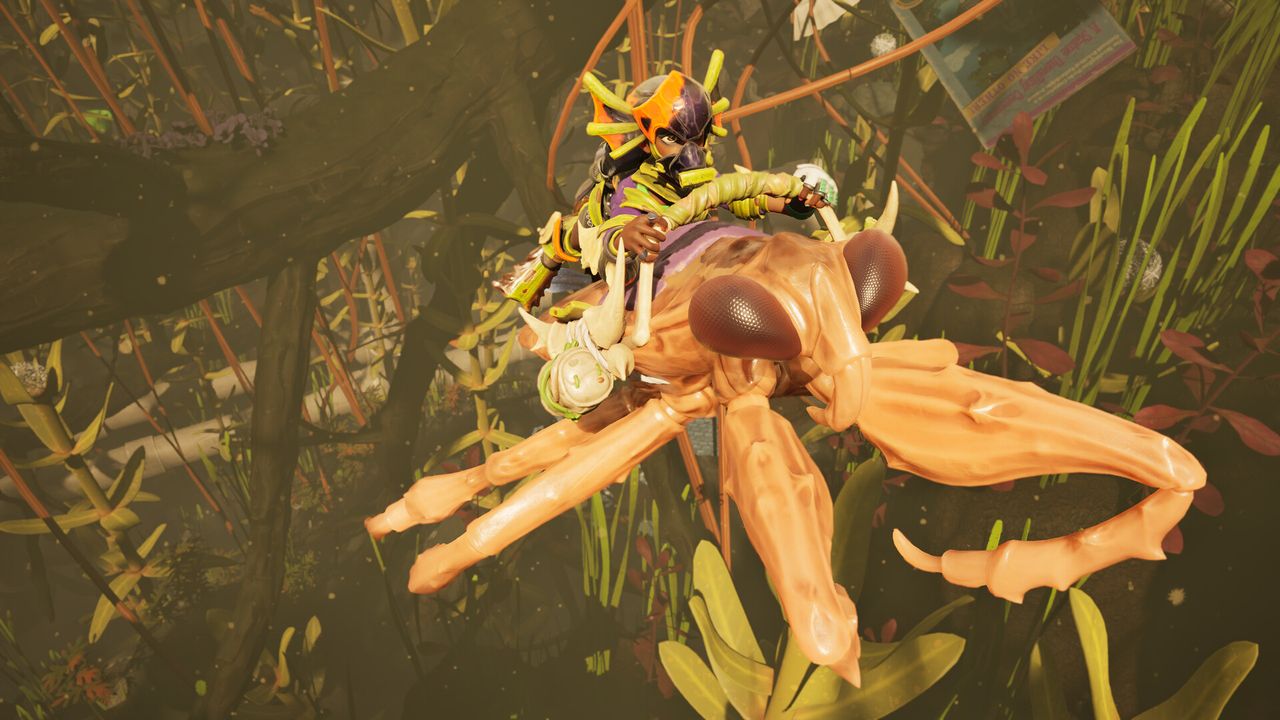
Grounded 2 has eight weapon categories: daggers, swords, clubs, spears, bows, greatbows, staves, and sickles — plus bare fists with their own perk track. For beginners, clubs are the safest first weapon: their stun loop interrupts dangerous creatures and cuts incoming damage without needing precise timing. Daggers offer the highest damage ceiling once you learn dash-strike crit chains. Swords are the most versatile melee option for players who prefer a block-and-counter style. Always equip the Fighting Style mutation matching your weapon type — it provides more benefit than any single upgrade tier. Specific crafting recipes change with Early Access patches, so cross-check the Grounded Wiki for exact costs in your version.
01How Weapons Work in Grounded 2
Every weapon in Grounded 2 belongs to one of eight categories. The category determines which Fighting Style mutation boosts it — Blademaster for swords, Sharpshooter for bows, Smasher for clubs, and so on. Equipping a weapon outside your active Fighting Style loses the bonus entirely, so your weapon choice and your mutation choice are tightly coupled decisions.
Three core systems govern every combat encounter:
- Stamina — melee attacks and dodges drain your stamina bar. Running dry triggers an exhaustion state where your attacks slow significantly. Stamina regenerates passively when you stop attacking, and faster with the Cardio Fan mutation equipped. Bow shots drain stamina most heavily when held at full charge — an uncharged shot or a released shot costs less than a held one.
- Perfect Blocks — holding block at the moment a creature's attack lands triggers a perfect block, negating damage and briefly staggering the attacker. The timing window is consistent across weapon types. Some builds (Parry Master mutation) are built entirely around this mechanic.
- Durability — all weapons lose durability with use and break if not repaired. Repairing is done straight from your inventory — no crafting station needed — and costs a portion of the weapon's original crafting materials, or Repair Glue at higher upgrade levels. Always carry spare materials for one repair on longer trips away from your base.
The Omni-Tool that every player starts with functions as a gathering and building tool, not a combat weapon. It has no durability and never breaks, but it deals only minimal damage and has no Fighting Style synergy — it's a poor substitute for a real weapon in a fight. Craft a proper weapon as soon as you collect your first batch of Pebblets and basic plant materials from the starting area.
02Weapon Crafting — Tiers and Materials
Weapon quality scales with the creature and plant materials used to craft it. The progression follows a three-tier logic tied to the danger level of the sources you harvest:
- Tier 1 — Starting Area Materials. Pebblets (tiny stones near rocks), Grass Planks (chopped from tall grass), Sprigs, and Plant Fiber combine into your first functional weapons. These are easy to collect with the starting Omni-Tool and cost zero combat risk. Scan them at a Resource Analyzer — the scanning terminal found inside any Ranger Outpost — first to unlock their recipes and collect Raw Science toward your next Omni-Tool upgrade.
- Tier 2 — Common Creature Parts. Once you're engaging Red Ants and Gnats regularly, you collect parts that unlock noticeably stronger weapon recipes. Ant Mandibles, Ant Parts, and similar drops craft weapons that out-damage tier 1 equivalents substantially — this is where the starter weapon should be replaced. Aim to reach tier 2 weapons before attempting Wolf Spiders.
- Tier 3 — Dangerous Creature Parts. Stinkbug Part, Wolf Spider Fang, and O.R.C.-creature drops craft weapons with the highest base damage available in current Early Access content. These require fighting creatures that can kill you in two or three hits. Enter tier 3 fights with tier 2 weapons and proper mutations — the jump in creature difficulty is significant.
Weapon recipes unlock by scanning their component materials at a Resource Analyzer inside a Ranger Outpost (Brookhollow Park has 13 of these outposts, each also housing a Ranger Station for Omni-Tool upgrades). If you collect a new drop but cannot see its recipe, visit the nearest Ranger Outpost and scan it — the recipe will appear immediately. This applies across all tiers.
Upgrading an existing weapon is not available in all Early Access builds — check your current version. When weapon upgrades are enabled, reinforcing a tier 2 weapon with higher-tier materials is sometimes more efficient than fully replacing it, depending on recipe costs. Grounded 2 is actively updated; always cross-check the Grounded Wiki for exact recipe changes introduced in recent patches.
03Melee Weapons — All Six Categories Compared
Daggers are the highest-ceiling melee weapon for experienced players. All attacks that open with a dash trigger an elevated critical hit rate, and landing a dagger kill temporarily boosts crit chance for your next strikes — creating a crit chain during multi-enemy encounters. The Assassin Fighting Style mutation amplifies both effects. Daggers reward players who sprint into enemies, attack quickly, and re-dash before the enemy can retaliate. The stamina overhead is low compared to swords (lighter attack animations), but you do need to dodge reliably — a dagger fighter taking hits straight has less armor value than a sword or club player working behind a block.
Swords are the most forgiving melee weapon in Grounded 2's current Early Access content. Every hit on an enemy temporarily reduces the damage that enemy deals back to you — a feedback loop that makes sustained fights safer — and at tier 3, Blademaster nearly eliminates the exhaustion recovery timer after your stamina depletes on sword attacks, letting you return to attacking almost immediately and making sustained sword combat more fluid than any other melee type. Ideal for players transitioning from beginner-level play into mid-game encounters with tougher creatures. The block-counter style (block → attack → block) maximises the damage-reduction window and synergises cleanly with Parry Master for a highly durable build.
Clubs specialise in stun damage. Club hits accumulate stun on a creature faster than any other weapon type, and once a target is stunned (temporarily unable to attack or move), the Smasher Fighting Style mutation grants bonus damage against it — creating a loop: stun, bonus-damage burst, reset, stun again. This loop is exceptionally effective against fast, aggressive creatures like Wolf Spiders, where landing a stun gives you a safe window to deal damage without timing a perfect block. For beginners who haven't mastered block timing yet, clubs offer the most reliable path through difficult early encounters.
Spears are a melee/ranged hybrid. In addition to standard melee swings, spears can be thrown at enemies for significant damage (Javelineer increases thrown damage by 10%/20%/30% per tier). The Javelineer mutation also adds a damage-reflection buff: hitting a creature with a spear — whether melee or thrown — triggers a 5-second window in which any damage enemies deal to you is reflected back at them (100%/150%/200% per tier). This makes spear play especially punishing in exchanges where you accept a hit to land a throw. The throw is on a recover timer and you're unarmed until you retrieve or re-equip, so spears reward players who manage distance carefully. They deal well in open areas where you can throw, retrieve, and re-throw between enemy attacks, but lose effectiveness in cramped spaces where throw angles are blocked.
Fists have the highest skill ceiling but the lowest practical floor. Bare-hand attacks build charge stacks that are released through heavy charged strikes, dealing burst damage and stun. At higher Lil Fist mutation tiers, fist attacks deal stun damage comparable to clubs while also generating charge stacks for burst windows. This is niche — most players drop fists once they unlock proper weapons — but dedicated fist builds are viable for challenge-run players who enjoy the mechanic.
Sickles are a dual-wield melee weapon that shares the Assassin Fighting Style mutation with daggers — kills with either weapon type count toward unlocking and levelling Assassin. Dash strikes trigger elevated critical hit rates, and sickles benefit from every tier of Assassin the same way daggers do. Sickles suit players who want the Assassin crit-chain playstyle in a dual-wield combo pattern rather than a single blade.
04Ranged Weapons — Bows and Greatbows
Bows were the only true ranged weapon type in Grounded 2 until the 0.5 Into the Abyss update (August 11, 2026) added the Harpoon Gun as a second ranged category, built specifically for underwater fights in the new Skunk Pond area. On dry land, the bow is still your primary ranged pick. A standard bow excels at single-target fights where you want to deal damage from outside a creature's melee range — Wolf Spiders become dramatically less threatening when you're hitting them from ten body-lengths away before they close distance.
Bow combat revolves around the charged shot mechanic: holding the fire button charges the arrow for significantly increased damage and, with the Sharpshooter mutation, a bonus critical hit chance. A fully charged perfect-timed release deals the most damage. The trade-off is stamina — holding a full charge drains stamina in parallel, so you can't indefinitely keep an arrow drawn. Releasing early sacrifices some damage; letting stamina drop while fully charged triggers exhaustion. Managing this rhythm is the core skill of bow play.
Greatbows are a heavier version of the bow class, hitting harder per shot with a longer charge time and higher stamina cost. They're better suited for burst damage on large, slower creatures where the charge window is safer, and for situations where you can take a position and fire from cover. Against fast-moving targets that close quickly (O.R.C. creatures, Wolf Spiders once they lunge), standard bows and their faster attack cadence are more practical.
Harpoon Gun is the pond's dedicated ranged weapon, letting you fight underwater creatures (Toe Biters, Pond Jockeys, Koi Fish) at range instead of relying on melee swings that lose reach and speed underwater. Exact crafting materials and mutation synergy weren't fully documented across sources at the time of writing — cross-check the Grounded Wiki or official patch notes for the current recipe before diving in.
Key bow tips:
- Position yourself on elevated terrain or behind a narrow gap before starting a bow fight — Brookhollow Park's grass and rock formations offer natural chokepoints where creatures can't reach you while you maintain line of sight.
- Keep a melee weapon equipped in the secondary slot for when creatures close range — switching weapons mid-fight is faster than trying to kite a Wolf Spider at close quarters with a bow.
- The Sharpshooter mutation is mandatory for bow builds. Without it, the crit bonus on charged shots doesn't trigger, and bows lose their primary damage advantage over melee options.
- Bardic Inspiration (unlocked after killing 10 Crickets) gives your bow and greatbow attacks a chance to buff nearby allies' damage, and perfect shots buff their critical hit chance — in co-op, a dedicated bow player with this mutation is a solid force multiplier.
05Staves — Elemental Combat
Staves are Grounded 2's elemental weapon class, introduced alongside the elemental status system in the mid-game biomes. Staff attacks apply elemental effects — primarily Sizzle (heat/burn) and Chill (freeze) — to enemies, and the Whittle Wizard Fighting Style mutation adds a critical hit chance bonus against any creature that is currently burning or frozen.
This creates a two-phase combat loop: apply the elemental debuff with your first staff attacks, then chain crit-boosted strikes while the status is active. Against creatures with elemental weaknesses (which vary by biome and creature type), staves out-damage melee weapons over extended fights by a meaningful margin.
Staves are notably weaker in early-game areas before you reach the biomes where elemental hazards and weaknesses appear. If you start building toward a staff build, use a standard melee weapon in the starting area and transition to staves when your exploration takes you into the park's more diverse terrain.
- Spicy Safety and Fresh Defense survival mutations reduce your own susceptibility to the same elemental statuses your staff applies — important if you take splash damage in tight spaces.
- Elemental shards (Mint Shards, Spicy Shards, Sour Lumps) are consumed to unlock elemental resistance mutations, not to fuel your staff — staves generate their own elemental attacks from the weapon itself.
- The Whittle Wizard mutation's top tier adds crit chance against burning or frozen enemies — elemental procs from other sources (Blazin' Belcher mutation, environmental hazards) also trigger this bonus, making Whittle Wizard useful in mixed-element party setups in co-op.
06Best Weapon for Your Playstyle
Most players will naturally settle into one primary melee or ranged approach by mid-game. Here are the best first choices based on how you prefer to play:
For beginners — Club: The stun loop is the most forgiving combat mechanic in Grounded 2. Stuns give you free damage windows without requiring precise block timing, and the Smasher mutation amplifies that advantage from the moment you unlock it. Equip it in slot 1, pair it with Cardio Fan in slot 2, and most early-to-mid creatures become manageable. Replace your tier 1 club with a tier 2 version using Ant Parts or equivalent creature drops as soon as they're available.
For aggressive melee players — Dagger: If you're comfortable sprinting through an enemy's attack window and repositioning quickly, daggers deliver the highest burst damage of any melee category. Build toward Assassin mutation + Ambush mutation (guarantees critical hits on undetected ambush attacks) for the maximum crit output. This is a higher-skill-floor choice than clubs or swords — you'll die more while learning — but the payoff in speed and damage is significant.
For block-and-counter players — Sword: Swords benefit from both dealing reduced incoming damage on every hit and the Blademaster mutation's stamina relief on sword attacks. Pair with Parry Master (stamina refunded on perfect blocks) for a build where stamina essentially self-sustains during combat. Swords are the best weapon for solo players fighting tough mid-game bosses where a single mistake can be fatal.
For ranged players — Bow with Sharpshooter: Bows require the most investment in positioning and stamina management, but they keep you out of the most dangerous zone (melee range of fast creatures) almost entirely. Invest in finding terrain advantages in each biome before you fight. A greatbow is worth switching to for larger, slower boss creatures once you have reliable positioning.
For co-op specialisation — Staves or Support Bow: Staves work best in a group where another player handles aggro, freeing you to apply elemental debuffs safely. A bow player with Bardic Inspiration buffs the whole group with each perfect shot. Both roles outperform their solo equivalents in a coordinated four-player session.
07Matching Your Weapon to a Fighting Style Mutation
The single most impactful upgrade to any weapon is equipping its matching Fighting Style mutation in your first mutation slot. These mutations are unlocked by killing 40/100/200 creatures with the matching weapon type — not purchased — so you will naturally progress them through normal play.
- Dagger → Assassin: Dash strikes trigger elevated crit rate; dagger kills boost crit chance for follow-up attacks.
- Sword → Blademaster: Hits reduce incoming damage from the struck enemy (10%/20%/30% per tier for 5 seconds); tier 3 nearly eliminates the exhaustion recovery timer on sword attacks, enabling near-continuous attacking.
- Club → Smasher: Attacks accumulate stun faster; attacks against stunned targets deal bonus damage.
- Spear → Javelineer: Thrown spears deal 10%/20%/30% more damage per tier; hitting a creature with a spear (melee or thrown) grants a 5-second buff that reflects 100%/150%/200% of all incoming damage back to your attacker.
- Bow → Sharpshooter: Perfectly-timed charged shot releases deal substantially more damage; fully charged shots gain bonus crit chance.
- Staff → Whittle Wizard: Staff attacks trigger enhanced elemental effects; attacks against burning or frozen enemies have elevated crit chance.
- Greatbow → Sharpshooter: Greatbows use the same Sharpshooter mutation as standard bows.
- Fist → Lil Fist: Bare-hand attacks build charge stacks for heavy charged strikes; higher tiers add stun damage per hit.
- Sickle → Assassin: Sickles share the Assassin Fighting Style with daggers — kills with either weapon type unlock and level the mutation.
If you switch weapon types frequently, use the Loadout system to save a different Fighting Style mutation per loadout. Equipping Blademaster when you switch to a bow provides no benefit — only Sharpshooter fires on bow shots. See the mutations guide for the full unlock requirements and tier effects for every Fighting Style mutation.
Grounded 2 is an Early Access title with regular content updates. New weapons and weapon categories may be added in future patches. Cross-check the Grounded Wiki or official Obsidian Entertainment patch notes for the most current recipe lists and any changes to weapon mechanics since this guide was written.
FAQ
What is the best starting weapon in Grounded 2?
For most players, the best first weapon to craft is a tier 1 Club using Pebblets and basic plant materials. Clubs stun enemies, which gives you safe damage windows without needing to time perfect blocks — the most accessible combat mechanic for players learning the game. Craft it as soon as you scan your first Pebblet at a Resource Analyzer (inside a Ranger Outpost) and the recipe unlocks. Replace it with a tier 2 Club using Ant Parts or similar creature drops once you're collecting them regularly.
Are bows or melee weapons better in Grounded 2?
Neither is universally better — they suit different playstyles. Bows keep you safe from creature melee range, which is their primary advantage, but require careful positioning and stamina management for charged shots. Melee weapons are more forgiving in close-range encounters and easier to sustain in long fights. Most players use a primary melee weapon with a bow kept in a secondary slot for specific situations (pulling aggro from range, fighting creatures where melee is riskier, boss openers). Late-game co-op benefits from having at least one dedicated bow player per group.
How do I craft better weapons in Grounded 2?
Better weapons require parts from more dangerous creatures. Scan every new material you find at a Resource Analyzer (inside a Ranger Outpost) — this is what unlocks the crafting recipe for that material's weapon. Tier 2 weapons use parts from common creatures (Ants, Gnats) and mid-tier plants. Tier 3 weapons use parts from dangerous creatures like Wolf Spiders, Stinkbugs, and O.R.C. entities. A Workbench is required to actually craft weapons and armor from advanced materials — cross-check the Grounded Wiki if a specific recipe seems locked behind a Workbench upgrade in your current version.
Can I use multiple weapon types in Grounded 2?
Yes, and it is recommended. You can carry multiple weapons and switch between them mid-fight (outside of a swing animation). However, your Fighting Style mutation only benefits one weapon category at a time — equipping Blademaster with a bow active does nothing. The Loadout system lets you save up to four mutation configurations and swap them outside combat. A practical setup is a melee loadout with your chosen melee Fighting Style + Parry Master, and a ranged loadout with Sharpshooter + Cardio Fan — switch depending on the encounter.
What is the strongest weapon in Grounded 2?
No single weapon is the strongest in every situation. Daggers paired with the Assassin + Ambush mutations offer the highest burst damage ceiling. Swords with Blademaster + Parry Master offer the most durable sustained combat. Clubs with Smasher are most consistent in controlling dangerous fast creatures via stuns. Bows with Sharpshooter are strongest in co-op positioning scenarios. In Early Access, weapon balance shifts with patches — treat any single-weapon tier list as version-specific. The Grounded Wiki typically tracks current patch changes faster than static guides.
Do weapons break in Grounded 2?
Yes. All weapons have a durability bar that depletes with use. When durability reaches zero the weapon breaks and cannot be used until you repair it. Repairing is done directly from your inventory — no crafting station needed — and costs a portion of the weapon's original crafting materials, or Repair Glue at higher upgrade levels. Always carry spare crafting materials for at least one full repair when you leave your base for an extended run — losing your weapon mid-fight in a hostile area is one of the most common causes of unexpected deaths in mid-game Grounded 2.
Should I switch from melee to bow for Wolf Spider fights?
A bow is the safest option for Wolf Spider fights, but it isn't mandatory. With a club and the Smasher mutation, you can stun a Wolf Spider and deal heavy damage in the free window — this approach works reliably once you understand the stun threshold. A bow lets you deal damage from a distance the spider cannot easily close, which is safer if you're still learning the fight. Many players use a bow to open the fight (dealing damage before the spider is aware) and then switch to melee once the spider closes, combining both approaches.
What weapons are best for fighting O.R.C. creatures in Grounded 2?
O.R.C. creatures — the game has never officially confirmed what the acronym stands for — are armored and typically aggressive. Clubs are effective for building up stun quickly on them, opening damage windows. Swords work well for the sustained block-counter loop once you learn each O.R.C. creature's attack patterns. Staves with elemental debuffs are particularly strong against O.R.C. creatures that have documented elemental weaknesses — check the Grounded Wiki for the specific weakness of each O.R.C. entity you're fighting, as they vary by creature type. Bows are useful for pulling individual O.R.C. creatures away from groups before engaging in melee.
Sources
Where the facts on this page were checked. If one of them now says something different, we want to know — tell us and we will fix the guide.
- Mutations (Grounded 2) Grounded Wiki (wiki.gg)
- Weapons & Tools (Grounded 2) Grounded Wiki (wiki.gg)
- Omni-Tool Grounded Wiki (wiki.gg)
- Workbench Grounded Wiki (wiki.gg)
- O.R.C. Creatures Grounded Wiki (wiki.gg)
- Patch 0.5.0.5 Has Been Released Obsidian Entertainment
- Into the Abyss: The Biggest Grounded 2 Update Yet Obsidian Entertainment
New & updated guides ship every week. Follow the Atom feed or get notified when new Grounded 2 guides land.