Last updated: 5 September 2026
Grounded 2 Best Early Resources — What to Farm and Where to Find Them
Brookhollow Park looks like a maze of identical grass blades and pebbles until you know what to look for. Grounded 2's crafting system gates most useful items behind specific materials, and knowing which ones to prioritise in your first few hours is the difference between a smooth early game and repeated runs back to a Resource Analyzer with nothing useful. This guide covers the most important early resources, where to reliably find them, and why each one matters.
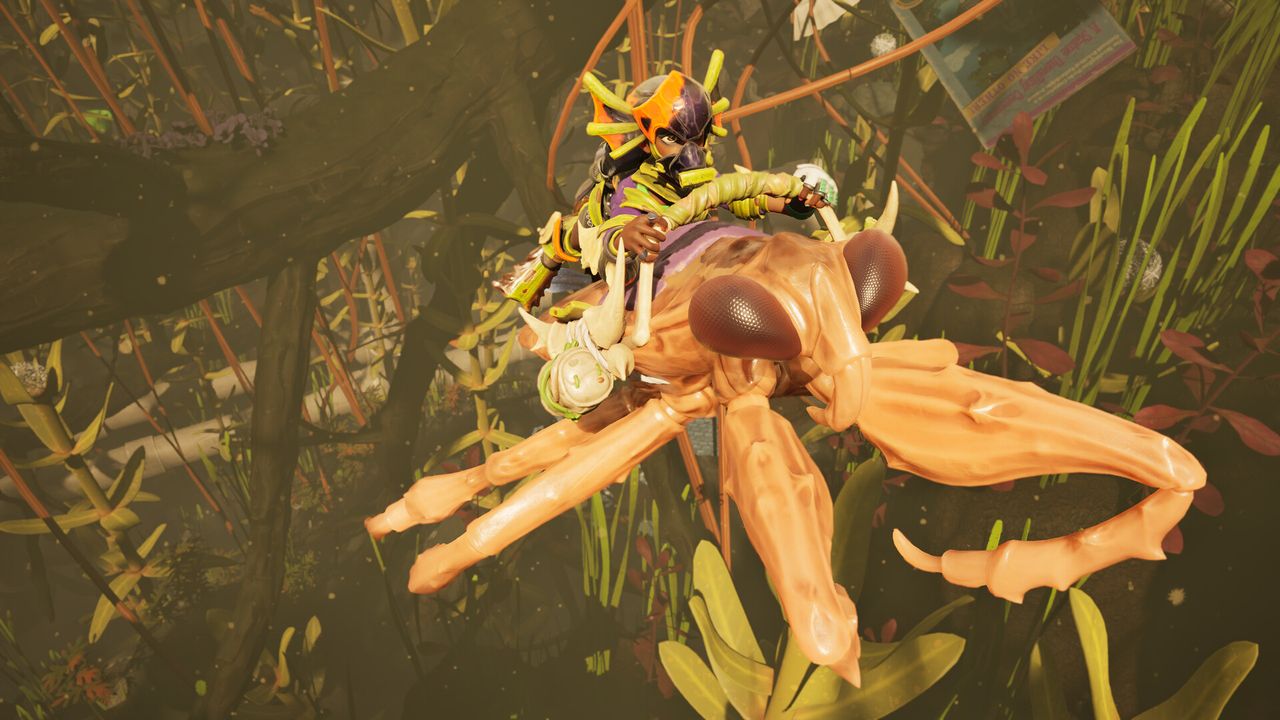
Grass Planks, Plant Fiber, Sprigs, and Pebblets are your foundation — grab them immediately. Prioritise Web Fiber for Silk Rope (the most versatile crafting material), Blueberries for food and Blueberry Leather, and Ant Parts for Red Ant Armor. Scan every new material at a Resource Analyzer the moment you pick it up: each scan unlocks recipes and earns Raw Science.
01The Golden Rule — Always Scan First
Before diving into individual resources, the single best habit in Grounded 2: scan every new material at a Resource Analyzer immediately. The Resource Analyzer is the scanning terminal found inside every Ranger Outpost — Grounded 2's replacement for the original game's Field Station — and scanning a new item type there unlocks its associated crafting recipes and grants Raw Science. You only need to scan each item type once.
Many players carry materials for hours without knowing what they can make from them because they never scanned. One thing to plan around: the Analyzer can only be used a handful of times before it needs to recharge (each charge takes roughly an hour of in-game time, or refills fully overnight if you sleep). So a single trip won't necessarily clear a big backlog in one go — treat the Analyzer as a mandatory, repeated stop rather than a once-per-game errand.
- Ranger Outposts differ in what guards them and what loot they hold, but the Analyzer itself works the same at every outpost — scanning a material once unlocks its recipes for good.
- Raw Science from scanning stacks; there's no limit to how much you can accumulate before spending it.
- The Ranger Station inside the same outpost gives you the Science Shop (spend Raw Science on recipes not unlocked by scanning alone), Omni-Tool upgrades, and Ranger Challenges.
02Tier 1 — Gather Immediately (Day 1)
These materials are available from your starting area and should be collected continuously throughout your first session.
Grass Plank — Chop tall grass stems with your Omni-Tool. The most-used early building material: floors, walls, roofs, and numerous crafting recipes all call for it. Gather in stacks of 20+ before any major building session. You can haul 5 at a time on foot by default — that rises to 8 once you're wearing Red Ant Armor, and to 10 with a Worker's Comp smoothie — or use the Ant Buggy for bulk runs beyond that.
Plant Fiber — Drops alongside Grass Planks when you chop grass, and from harvesting low plants. Spin it into Crude Rope at a Spinning Wheel (1 Plant Fiber per rope there, versus 3 if you make it by hand) — Crude Rope is a component in dozens of crafting and building recipes and should be processed constantly.
Sprig — Small green stalks lying on the ground near low plants. Cheap structural material for the Lean-To and basic furniture. Easy to overlook because they blend into the ground; make a habit of picking up everything on the grass floor.
Pebblet — Tiny pebbles beside rocks and soil mounds. Used for the Pebblet Spear (your first weapon) and various early tool parts. Stock up 10–20 before your first evening.
Sap — Orange crystalline blobs on tree roots and bark surfaces, or bulk-harvested from Sap Clumps under large branches. Required in dozens of Workbench recipes — including the Workbench itself, Torches, and several early tools and weapons. Not as abundant as grass materials, so collect every sap cluster you pass.
03Tier 1 — Farm Actively (First Two Days)
These materials require a small detour or some light combat, but pay off immediately.
Web Fiber — Gathered from spider webs strung between grass blades and near dark areas, or harvested from spiders themselves. Spin it into Silk Rope at a Spinning Wheel — Silk Rope is used in higher-tier weapons, armor, and mid-game base upgrades. It's the single most versatile crafting intermediate in the early game. Farm web clusters whenever you spot them, even if you don't have a recipe that needs it yet.
Weed Stem — Chop dandelions with a base-tier Omni-Axe, or Husky Weeds and Bur Weeds once you've upgraded to Tier 2. Stronger than Grass Plank and used for wall reinforcements, sturdier furniture, and mid-game tools. The Dandelion Tuft that drops when you fell a dandelion is a mobility item in its own right — press Glide in mid-air to burn one and slow your fall — and a rarer Tier 2 Fluffy Dandelion Tuft gives unlimited reusable gliding once equipped.
Acorn Top / Acorn Shell — Break open Acorns found around oak-tree areas with a Tier 1 Omni-Hammer — no late-game tool required. Every Acorn guarantees an Acorn Top plus several Acorn Shells, both used widely in construction (stairs, fencing, doors) and a range of armor and tool recipes. Acorns are large and obvious, so the real bottleneck is remembering to unlock the Hammer early.
Ant Parts — Dropped by Red Ants in the central grass areas. Loot: Ant Mandible, Ant Head, Ant Part (generic). The Red Ant Armor set (head, chest, legs) requires Ant Parts and is the best early protection. Engage Red Ants carefully — they swarm when one is attacked, so draw single ants away from the group using a thrown Pebblet Spear.
04Food Resources — What to Prioritise
Food resources in Grounded 2 serve double duty: they restore the hunger meter and are key ingredients in Smoothies, which grant temporary combat and exploration buffs.
Blueberry — Found as large blue spheres on Blueberry bushes in the park. Harvesting a bush yields Blueberry Chunks, which restore food raw or process into Blueberry Leather at a Workbench (3 chunks per piece, or just 1 at a Jerky Rack) — a Tier 2 material used across several mid-tier armor sets. Gather whenever you pass a bush; you'll want a large stockpile of chunks once armor recipes unlock.
Lingonberry — Smaller red berries found on hedges, notably around the Picnic Table Area and Pine Hill. Harvesting Lingonberry Chunks needs a Tier 2 Omni-Axe, so it's a slightly later pickup than Blueberries. Used in various Smoothie recipes once you have them.
Mushroom Chunk — Harvest mushrooms with a Tier 2 Omni-Axe in shaded areas and near trees. Not a raw snack — process it into Mushroom Slurry at a Grinder, or use it as a Cookery ingredient (it's part of the Mushcargot recipe, for example). Another slightly later-game pickup, so don't detour for it on day one.
- Always carry 5–10 berries in your quick-access slot for emergency food without stopping to cook.
- Build a Cookery (Weed Stem, Clay, and a couple of bug-part materials) for cooked meals, and a separate Smoothie Station for buff drinks — berries and Sprigs feed into several smoothie recipes that make early combat and gathering noticeably easier.
- Dew Drops on grass blades are your primary water source; build a Dew Collector at base for a slow, passive supply over time.
05Combat Resources — Drops to Prioritise
Combat drops from bugs aren't just for armor — several are core crafting components for weapons, tools, and mid-game upgrades. These are the ones worth farming even when you don't immediately need them.
Grub Hide — Dropped by Grubs (found digging in soft soil areas). A versatile early-game leather analog: used in the Grub armor set (Goggles, Vest, Leggings), several early weapons and tools, and the Canteen. Grubs are slow and non-aggressive — easy farming once you locate their dig sites.
Mite Fuzz — Dropped by Mites (tiny, fast creatures). Used as padding across several armor pieces (helmets, arm and knee guards) plus arrows. Mites are Tier 1 but fast — a ranged weapon or patient melee works best.
Stinkbug Gas Sack — Dropped by Stinkbugs (Tier 2). Used for Gas Arrows and the Gastro Goo smoothie (which grants gas immunity), among other mid-game recipes. Do not farm Stinkbugs until you have some armor — their gas attack is area-of-effect and can quickly debuff and kill an unarmored character.
- Always pick up every drop from a defeated creature — inventory is generous, and drops weigh very little.
- Scan all new creature drops at a Resource Analyzer before deciding how much to stockpile.
- Hauling capacity for big stacks isn't fixed forever: wearing Red Ant Armor raises the on-foot carry limit for items like Grass Plank and Weed Stem from 5 to 8, and a Worker's Comp smoothie (unlocked by scanning Red Ant Mandibles) pushes it to 10.
06Efficient Gathering — How to Build Stock Fast
Knowing what to gather is half the battle; knowing how to gather it efficiently is the other.
- Mark Ranger Outposts and resource clusters on your map as you find them — returning to known locations is far faster than searching fresh ground.
- Use the Ant Buggy for bulk runs once you unlock it. It hauls a stack of items at once, far beyond what you can carry on foot, and Soldier Ant Buggies can even build and be ridden into caves.
- Never pass a resource node without taking it if you have inventory space — Sprigs, Pebblets, and Sap especially vanish faster than you think once crafting ramps up.
- Process material intermediates before storing: spin Plant Fiber → Crude Rope and Web Fiber → Silk Rope at a Spinning Wheel before putting them in storage chests. Intermediates take the same inventory slot as raw materials but are far more useful.
- Farm Red Ants in small batches: engage one ant at a time by separating it from the group (Pebblet throw or slow approach). The full three-piece Red Ant Armor set takes about 14 Red Ant Parts total (plus Mite Fuzz, a little Crude Rope, and a Red Ant Head) — budget two short ant-hunting sessions rather than one large one that risks a full swarm.
FAQ
What are the most important resources to gather first in Grounded 2?
In the first session, prioritise Grass Planks (for building), Plant Fiber (for Crude Rope), Sprigs (for early crafting), Pebblets (for your first weapon), and Sap (used as a binding agent in almost everything). Web Fiber for Silk Rope should be your next priority as soon as you find spider web clusters.
Where do I find Web Fiber in Grounded 2?
Web Fiber is gathered from spider webs strung between grass blades and in darker corners of the park. Look for white thread-like strands between vegetation. You can harvest them directly with your Omni-Tool — no combat required unless a spider is nearby.
Where do I find Ant Parts in Grounded 2?
Ant Parts drop from Red Ants in the central grass areas of Brookhollow Park. Engage individual ants carefully by drawing them away from the group — Red Ants swarm when one is attacked, and a full swarm is very dangerous early on. Use a thrown Pebblet to isolate a single ant before engaging.
What is Blueberry Leather used for in Grounded 2?
Blueberry Leather is a processed material made from Blueberry Chunks — 3 chunks per piece at a Workbench, or just 1 at a Jerky Rack. It's used across several mid-tier armor sets. Stockpile Blueberry Chunks even before you unlock the Leather recipe — you'll need a large amount once the related gear opens up.
How do I increase my carry weight in Grounded 2?
The base hauling limit for large stackable items like Grass Plank and Weed Stem is 5 at a time. Wearing Red Ant Armor raises that to 8, and drinking a Worker's Comp smoothie (its recipe unlocks by scanning Red Ant Mandibles at a Resource Analyzer) pushes it to 10. Beyond that, the Ant Buggy lets you haul much bigger loads in one trip.
What is Crude Rope and why do I need it in Grounded 2?
Crude Rope is a crafting intermediate made from Plant Fiber at a Spinning Wheel (1 Plant Fiber per rope there, or 3 if you make it by hand). It's one of the most widely used components in building and crafting recipes — walls, tools, and furniture all require it. Convert Plant Fiber into Crude Rope as a habit rather than stockpiling raw fiber.
Sources
Where the facts on this page were checked. If one of them now says something different, we want to know — tell us and we will fix the guide.
- Resource Analyzer Grounded Wiki (wiki.gg)
- Ranger Outposts Grounded Wiki (wiki.gg)
- Grass Plank Grounded Wiki (wiki.gg)
- Crude Rope Grounded Wiki (wiki.gg)
- Web Fiber Grounded Wiki (wiki.gg)
- Sap Grounded Wiki (wiki.gg)
- Weed Stem Grounded Wiki (wiki.gg)
- Dandelion Tuft Grounded Wiki (wiki.gg)
- Acorn Grounded Wiki (wiki.gg)
- Acorn Shell Grounded Wiki (wiki.gg)
- Blueberry Chunk Grounded Wiki (wiki.gg)
- Blueberry Leather Grounded Wiki (wiki.gg)
- Lingonberry Grounded Wiki (wiki.gg)
- Mushroom Chunk Grounded Wiki (wiki.gg)
- Cookery Grounded Wiki (wiki.gg)
- Grub Hide Grounded Wiki (wiki.gg)
- Mite Fuzz Grounded Wiki (wiki.gg)
- Stinkbug Gas Sack Grounded Wiki (wiki.gg)
- Red Ant Armor Grounded Wiki (wiki.gg)
- Worker's Comp Grounded Wiki (wiki.gg)
- Buggies Grounded Wiki (wiki.gg)
New & updated guides ship every week. Follow the Atom feed or get notified when new Grounded 2 guides land.