Last updated: 5 September 2026
Blood of Dawnwalker Infamy System Edicts, Officers & Consequences Explained
The Blood of Dawnwalker tracks how much disruption Coen causes to Brencis's regime across Vale Sangora through an Infamy system — a reputation-and-consequence mechanic that multiple outlets have described as filling some of the space left by the Nemesis System's absence from modern games. Raising Infamy brings escalating countermeasures from Brencis, but it also opens doors to resistance factions and unlocks unique quests tied to his three subordinate officers. Here's how the system actually works, based on guides and reviews written after the game's September 3, 2026 launch.
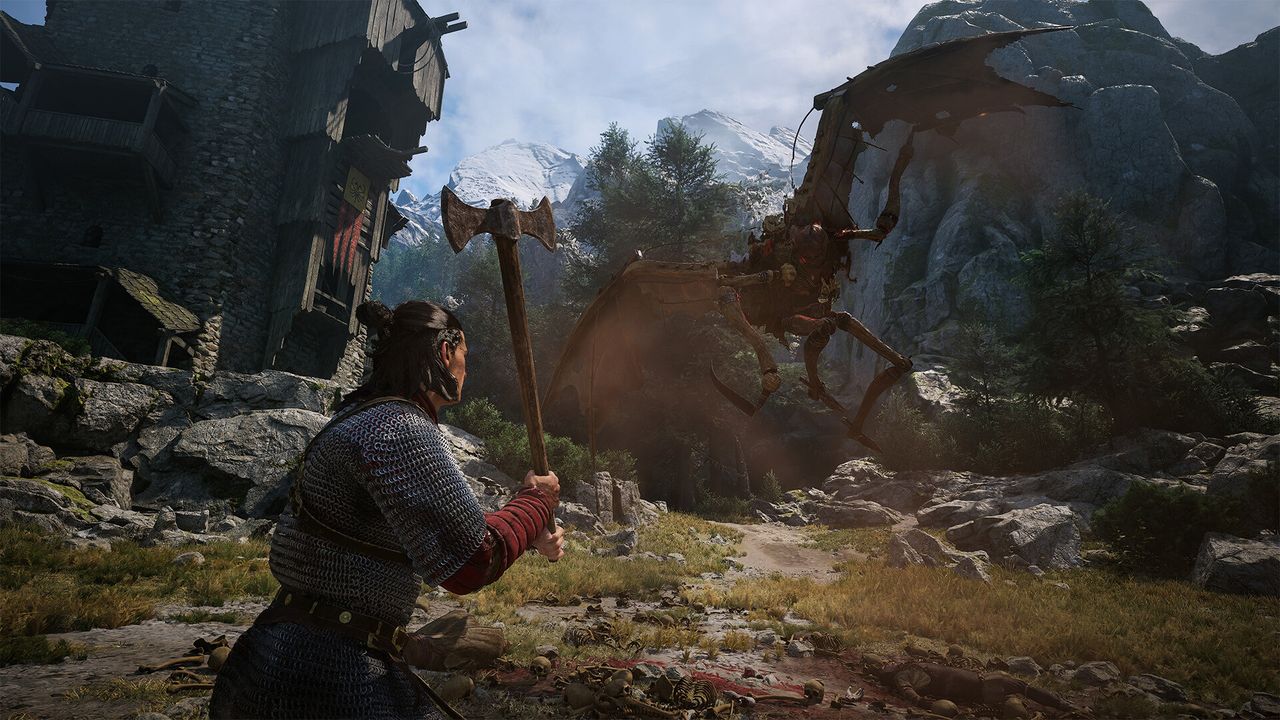
01What Is the Infamy System?
Infamy is The Blood of Dawnwalker's reputation-tracking system — a single, global measure (accessed through a Court menu that unlocks after the Prologue) of how disruptive and threatening Coen has become to Brencis's rule over Vale Sangora. It isn't a simple morality meter that marks Coen as 'good' or 'evil'; it specifically tracks actions that damage or defy the vampiric establishment.
Creative Director Mateusz Tomaszkiewicz has described the broader philosophy behind it: 'We track your choices individually on a more detailed level. Because of that, we have a lot of reactivity to your choices in the quests.' Infamy is the macro layer of that reactivity — where individual NPC memory creates small, local consequences, Infamy drives world-level ones: patrol density, political edicts from Brencis, and how factions across Vale Sangora respond to Coen.
Coverage from outlets like GamingBolt has framed the system as having 'a Nemesis System-like bent,' and other reviewers have made similar comparisons to the reactive-antagonist idea behind Shadow of Mordor's Nemesis System. That's press framing rather than something Rebel Wolves has claimed for itself, and — as covered further below — the actual scope of the system is narrower than a full Nemesis-style simulation.
02What Raises Your Infamy
Infamy accumulates through actions that damage Brencis's regime and its enforcement structure. According to post-launch guides, the confirmed triggers are:
- Defeating the game's three vassals/boyars (Ambrus, Xanthe, and Bakir) — beating any of these boss-level officers raises Infamy by a full level on its own.
- Clearing Court Activities — disrupting operations run on Brencis's behalf, including sabotaging or destroying blood-supply warehouses that fund the regime's blood tax.
- Clearing Soldier Camps — raiding and clearing out garrisons and encampments tied to Brencis's forces.
- Attacking Brencis's forces more broadly, including fighting his soldiers in the field.
Because destroying Court Activities, clearing Soldier Camps, and fighting Brencis's forces are often directly tied to normal story progression, some Infamy gain over the course of the game is effectively unavoidable — it isn't purely a side-content toggle you can opt out of entirely.
03One Global Meter, Plus Three Officers Coen Can Individually Provoke
It's easy to assume Infamy works like four separate reputation bars, one per vampire lord, but that's not quite how the released game tracks it. Infamy itself is a single, global meter tied to Brencis's court as a whole, not an independent tracker for each lord.
Layered on top of that global meter, Coen's actions against Brencis's three regional officers — Ambrus, Xanthe (referred to in some coverage as Xanthe the Dark Mistress), and Bakir — are tracked individually within their own territories. Disrupting a specific officer's operations or defeating them raises that officer's own anger/threat level; maxing it out unlocks a unique quest tied to that character.
Brencis sits above all three as the overarching ruler. He's the one who receives the global Infamy score and issues the edicts described below, regardless of which specific officer's territory Coen has been disrupting.
04What Happens When Infamy Rises: Edicts and Escalating Pressure
As Infamy climbs, Brencis's court responds with a graduated series of Edicts — post-launch guides count 9 total Infamy levels, each triggering its own edict, rather than a single all-or-nothing switch. Notably, an edict doesn't take effect the instant you cross a threshold — it's issued after a full in-game day passes.
Confirmed consequences as Infamy rises, drawn from developer statements and post-launch guides:
- More soldiers and checkpoints — Tomaszkiewicz has described Brencis sending 'more soldiers into the streets, or patrolling the roads' as an early response.
- Curfews — Tomaszkiewicz confirmed Brencis can 'enforce a curfew,' one of the edict options that hampers Coen's movement and access.
- Higher prices and tougher enemies — later edicts bring price hikes and more aggressive, better-equipped enemy forces.
- Harder to feed — Tomaszkiewicz noted that at higher Infamy 'it's more difficult to feed at night,' affecting Coen's vampiric side directly.
- Civilian recognition and fear — as he put it, 'it's not just Brencis and his soldiers, it's also the people in the valley. They will recognize you and be afraid of you.'
- City lockdown at maximum Infamy — the final edict restricts normal access to the city of Svartrau, forcing Coen to find alternate routes in, such as scaling walls at night, rather than walking through the gates.
One important wrinkle: there is currently no confirmed way to lower or reverse Infamy once it's been gained. The only way to manage it is to be selective about which disruptive, story-optional actions you take in the first place.
05The Other Side: How High Infamy Opens Doors
Infamy isn't purely a punishment system. Tomaszkiewicz has been direct about the upside: 'There are some factions that fight against Brencis; they don't like him. So building up notoriety is actually a good way to gain a good standing with them.'
Confirmed positive consequences of rising Infamy:
- Resistance faction standing — factions opposed to Brencis view a notorious Coen more favorably, per Tomaszkiewicz's comments above.
- Unique officer quests — maxing out a specific officer's individual anger level (Ambrus, Xanthe, or Bakir) unlocks a quest tied to that character, with narrative consequences beyond a generic bounty encounter.
- NPC recognition — the same civilian recognition that can mean fear can also cut the other way with people who oppose the regime, since notoriety signals that Coen is genuinely acting against Brencis rather than just posing as another threat.
The practical takeaway is that Infamy functions as a resource as much as a risk: low Infamy keeps the world calmer but locks out resistance standing and officer-specific questlines, while high Infamy brings real pressure — patrols, curfews, feeding difficulty — in exchange for alliances and story branches that don't otherwise exist.
06How NPCs Remember Coen's Actions
Beyond the Infamy meter itself, Rebel Wolves has said the game tracks Coen's individual choices at a more granular, quest-level scale and uses that to shape specific NPC reactions. Game Director Konrad Tomaszkiewicz put it this way: 'You can build relations in our game, not only through normal dialogue, but also action.'
This runs in parallel with the global Infamy meter rather than replacing it — a decision made during one quest can resurface as a changed reaction from the same NPC elsewhere, independent of Coen's overall notoriety level with Brencis's court.
07Infamy vs. Shadow of Mordor's Nemesis System: What Is and Isn't Comparable
The comparison to Shadow of Mordor's Nemesis System has circulated in coverage of the system, but it's worth being precise about where it holds up and where it doesn't.
What shares the spirit of the Nemesis System: both systems make the antagonist side react specifically to what the player has done rather than following a static script, and both use escalating thresholds (Infamy levels here, Orc Captain rank there) to unlock new content.
Where the comparison ends: Shadow of Mordor's Nemesis System tracked individual enemies with persistent memories of specific encounters — orcs who remembered killing the player, bore scars from past fights, and rose in rank through repeated confrontations. The Blood of Dawnwalker's system operates at the global-court and officer level, not the individual-soldier level; there's no confirmed mechanic where a random enemy remembers a specific past fight with Coen or is promoted because of it.
What Rebel Wolves has built instead is a reactive, escalating consequence system tied to a small number of named antagonists (Brencis and his three officers) plus a separate layer of NPC quest-memory — a real system with narrative weight, but a different scope than a full persistent-enemy simulation.
FAQ
What is the Blood of Dawnwalker infamy system?
Infamy is a global reputation meter, tracked through a Court menu, that measures how much Coen has disrupted Brencis's regime across Vale Sangora. It rises through actions like defeating Brencis's three officers, clearing Court Activities and Soldier Camps, and fighting his forces. High Infamy triggers escalating edicts — more patrols, curfews, price hikes, tougher enemies, and eventually a city lockdown — but also improves standing with resistance factions and unlocks unique officer-specific quests.
What actions raise Infamy in Blood of Dawnwalker?
Confirmed triggers include defeating the game's three vassals/boyars (Ambrus, Xanthe, Bakir), destroying Court Activities such as blood-supply operations, clearing Soldier Camps, and fighting Brencis's forces in the field. Because several of these overlap with normal story progression, some Infamy gain is effectively unavoidable over a full playthrough.
What happens when Infamy gets too high?
Post-launch guides count 9 total Infamy levels, each unlocking its own edict roughly a day after being triggered. Confirmed consequences include more soldiers and checkpoints, curfews, price hikes, tougher enemies, harder vampiric feeding, and — at maximum Infamy — a lockdown of the city of Svartrau that forces Coen to find alternate ways in. There is currently no confirmed way to lower Infamy once gained.
Does high Infamy have any benefits?
Yes. According to Creative Director Mateusz Tomaszkiewicz, factions that oppose Brencis view a notorious Coen more favorably, improving standing with the resistance. Maxing out the individual anger level of one of Brencis's three officers (Ambrus, Xanthe, or Bakir) also unlocks a unique quest tied to that character.
Is the Blood of Dawnwalker infamy system like the Nemesis System from Shadow of Mordor?
It shares the broad idea of the world reacting specifically to player actions, and press coverage has drawn the comparison, but the scope is different. Blood of Dawnwalker's system operates at the global-court and named-officer level (Brencis and his three officers), not through individual enemy soldiers who remember specific fights and rise in rank — the defining feature of Shadow of Mordor's Nemesis System hasn't been confirmed here.
Can you avoid the Infamy system entirely in Blood of Dawnwalker?
Not entirely, since some Infamy-raising actions (fighting Brencis's forces, clearing certain camps) overlap with normal story progression. However, Rebel Wolves built in enough flexibility that, after the Prologue, players can bypass most optional content and head straight for a final confrontation with Brencis — a structure Game8 compared to rushing the final boss in Breath of the Wild — which limits how much Infamy accumulates from optional activity.
Who are Brencis's officers in Blood of Dawnwalker?
Brencis rules Vale Sangora overall, with three subordinate officers — Ambrus, Xanthe (called Xanthe the Dark Mistress in some coverage), and Bakir — each controlling their own territory. Coen's actions against each officer are tracked individually, and maxing out an officer's anger level unlocks a unique quest tied to them, separate from the global Infamy meter tied to Brencis.
Does Blood of Dawnwalker track individual NPC memories, not just Infamy?
Yes. In addition to the global Infamy meter, the game tracks Coen's individual choices at the quest level. Game Director Konrad Tomaszkiewicz has said players 'can build relations in our game, not only through normal dialogue, but also action,' meaning specific NPCs can react to what Coen did in earlier, unrelated situations.
Sources
Where the facts on this page were checked. If one of them now says something different, we want to know — tell us and we will fix the guide.
- Blood of Dawnwalker: All Infamy Edicts PowerPyx
- Infamy Guide | The Blood of Dawnwalker Game8
- Blood of Dawnwalker Notoriety System Lets Final Boss Fight Back Game8
- The Blood of Dawnwalker's Complex Notoriety System Outlined by Rebel Wolves GamingBolt
- The Blood of Dawnwalker Promises A 'Lot of Reactivity' to Player Choices in Quests GamingBolt
- The Blood of Dawnwalker Has a Wolf Transformation and Pseudo Nemesis System That Dictates Infamy GamingBolt
- The Blood of Dawnwalker review GamingBible
- The Blood of Dawnwalker Review Destructoid
- The Blood of Dawnwalker Wikipedia
New & updated guides ship every week. Follow the Atom feed or get notified when new The Blood of Dawnwalker guides land.