Last updated: 5 September 2026
Schedule I Addiction System Explained
Schedule I's addiction mechanic is one of the most misunderstood systems in the game. Every product has an addictiveness rating, and every customer has their own addiction meter that rises and falls based on what you sell them. Getting that meter high enough changes how often they order, how eagerly they accept deals, and how reliably your dealers can maintain them. This guide breaks down exactly how the system works and how to use it to grow a steadier, more profitable customer base.
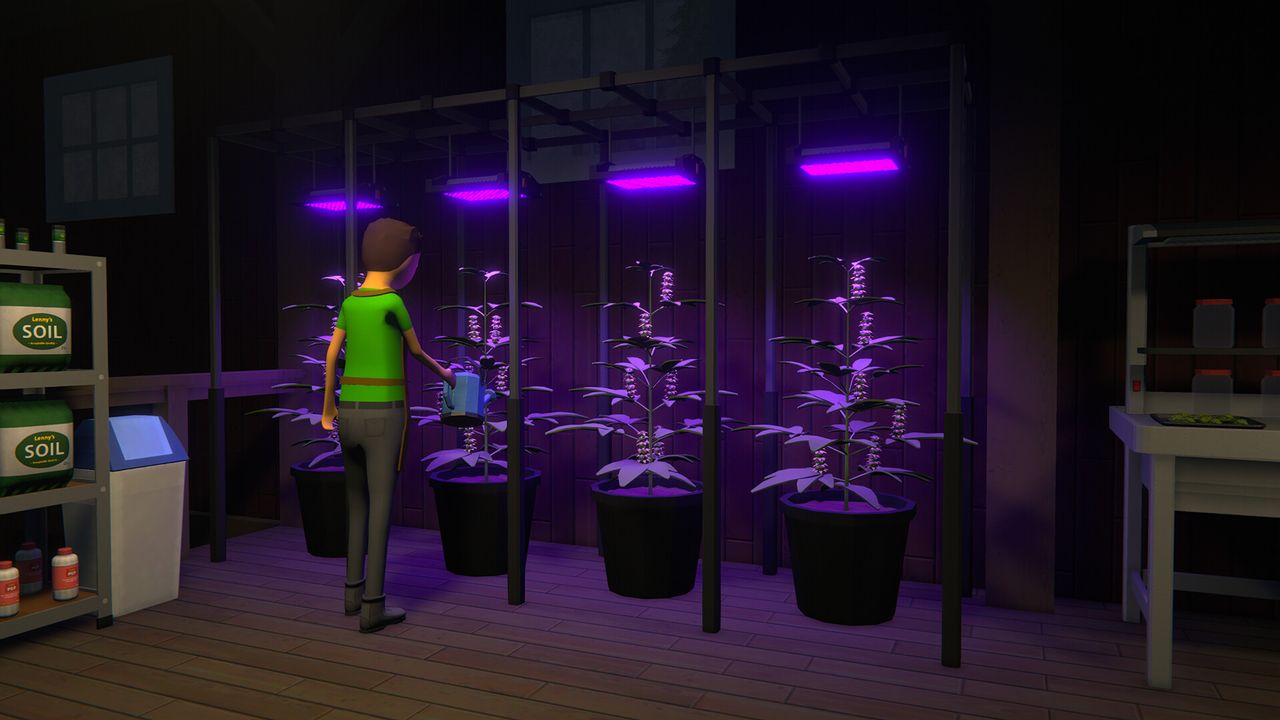
Every product in Schedule I has an addictiveness rating (0–100%). Each sale of a 100% addictive product pushes that customer's personal addiction meter up by 20%. Once a customer hits 100% addiction they place daily orders — one deal faster than maxing relationship. Addicted customers are also more likely to accept unsolicited street deals. Addiction decays about 7% per day without product, so keep selling consistently. Mixing ingredients into your product generally raises its addictiveness stat, making it quicker to hook new customers.
01What the Addiction System Is
Two separate stats drive this mechanic — one on your product, one on each customer:
- Product addictiveness (0–100%) — a rating visible in the product detail. It represents how addictive a single sale of that product is to a customer. Base products have lower addictiveness; mixing ingredients in generally raises it.
- Customer addiction meter (0–100%) — a personal gauge for each customer, visible on your phone and when you approach them in person. It tracks how dependent that customer has become on your supply.
- These are independent stats — a customer can be loyal (high relationship) but barely addicted, or vice versa. Both affect ordering behavior but through different levers.
- The goal is to raise a customer's addiction meter by consistently selling them a high-addictiveness product until they become a reliable, frequent buyer.
02How Customer Addiction Builds — and Decays
Addiction climbs with every sale and falls when you go quiet:
- +20% addiction per deal at 100% addictiveness. Selling a customer a product with a 100% addictiveness rating raises their addiction meter by 20 percentage points per transaction. A less addictive product scales that gain down linearly — a 50% addictive product adds 10% per sale.
- Five deals to full addiction. Selling a 100% addictive product five times takes a customer from zero to maximum addiction. By comparison, maxing out the relationship bar requires six successful deals — so addiction peaks one deal faster.
- ~7% decay per day without product. If a customer goes without a deal for a couple of days, their addiction meter drops by roughly 7% each day. The decay timer resets whenever they receive any product, even one with 0% addictiveness — so a low-value filler sale is enough to keep the meter from falling.
- Some customers start pre-addicted. Certain NPCs begin the game with an existing addiction level rather than starting at zero — so their meter climbs to maximum faster than a fresh contact.
The practical takeaway: once you have a customer's addiction built up, never let supply run dry. A few missed days will start eroding what you built. The percentages above are the figures the community has consistently landed on through in-game testing — Schedule I doesn't publish exact formulas, and Early Access balance passes can shift them, so treat them as reliable estimates rather than guaranteed numbers.
03What Addicted Customers Do Differently
Raising a customer's addiction meter changes how they behave in your favour:
- Daily orders at 100% addiction. The core payoff is order frequency. Customers with either full addiction or maximum relationship will order every day — seven times a week instead of the lower baseline. Addiction gets you there one sale sooner.
- +20% street deal acceptance when addicted. Addicted customers are more likely to accept an unsolicited deal you offer them on the street, giving you an extra sales channel that non-addicted contacts are more likely to refuse.
- Night-time seeking behaviour at ~33%. Once a customer reaches around 33% addiction, they may start approaching you at night to ask for product if they feel their supply is running low. This stops once they are fully addicted and simply place daily orders through the app.
- Higher price tolerance. Addicted customers are more willing to accept price markups than customers with no dependence. The phone counter-offer mechanic is unaffected, but for unsolicited street deals addiction directly increases acceptance odds.
Full addiction effectively turns a casual contact into a guaranteed daily revenue stream — the difference between a customer who orders occasionally and one who orders like clockwork.
04How to Make Your Product More Addictive
The quickest way to raise a customer's addiction meter is to raise your product's addictiveness stat before you start selling:
- Mixing ingredients generally raises addictiveness. Base products have a relatively low addictiveness rating. Adding effects through the mixing station tends to push the stat higher, so a multi-effect mixed product typically reaches 100% addictiveness faster than a plain base product.
- Four to five mixing steps can reach 100%. Players have found that four to five mixing passes on a base product often achieves a 100% addictiveness rating while also stacking several high-value price-multiplying effects.
- Aim for 100% addictiveness whenever practical. At 100%, a customer's addiction meter reaches maximum in exactly five deals. At lower values it takes proportionally more sales, which delays the point where that customer becomes a reliable daily buyer.
- Even cheap mixed products build addiction. If selling a premium mix to every customer isn't viable early on, any product with boosted addictiveness still climbs the meter — it just takes more deals to cap it out.
- Cross-check the current version. Schedule I is in Early Access and updates regularly rebalance mixing reactions and effect values, so verify your recipe in-game before committing to a production run.
05The Dealer Strategy: Build Addiction Before Handing Off
Once you have dealers, addiction becomes the key metric for determining when a customer is safe to assign:
- Dealers maintain addiction for assigned customers. A dealer who keeps up with their assigned customers prevents the ~7% daily decay — meaning addiction either holds steady or keeps climbing depending on how often the dealer services them.
- Build to ~65% before assigning to a dealer. Players have found that customers at around 65% addiction don't experience net decay once handed to a dealer — their addiction climbs to 100% and stays there. Customers handed off below this threshold risk decay if the dealer's service is inconsistent.
- Handle new contacts yourself until the threshold is hit. For the first four or five deals on a new customer, sell personally with a high-addictiveness product to get the meter above 65%, then assign them to a dealer who will sustain and complete the addiction.
- Addiction rises with dealer sales too. Dealers generate the same relationship growth per sale as a direct deal, and they continue to push the addiction meter upward — so a customer at 65% will hit 100% through normal dealer activity.
This discipline separates a stable dealer network from one where customers drift away. Build addiction yourself first; hand off to scale.
FAQ
What does the addiction system do in Schedule I?
The addiction system controls how frequently customers order and how readily they accept deals. Every product has an addictiveness rating, and every customer has a personal addiction meter. As you sell them addictive products, their meter rises. At 100% addiction they order every day, accept unsolicited street deals 20% more often, and are more tolerant of price markups. Building customer addiction is the core strategy for turning occasional buyers into reliable daily revenue.
How do I get customers addicted in Schedule I?
Sell them a product with a high addictiveness rating, aiming for 100% if possible. A 100% addictive product raises a customer's addiction meter by 20% per sale, so five deals max out their addiction. Mixing ingredients into a base product generally raises its addictiveness stat, often reaching 100% after four to five mixing passes. Once you have 100% addictive product, five consistent deals turn any customer into a daily buyer.
Does addiction decay if I stop selling in Schedule I?
Yes. A customer's addiction meter drops by roughly 7% per day if they go without product. The decay timer resets whenever they receive any sale, even one from a product with 0% addictiveness, so a low-value filler transaction keeps the meter from falling. If you have dealers, assigning them to customers prevents decay — but aim to get customers to around 65% addiction before handing them off, since below that level dealer service may not be consistent enough to stop the meter from slipping.
Does addiction affect sales in Schedule I?
Yes, directly. Addicted customers order more frequently — at 100% addiction they order daily, the same maximum as a fully loyal customer. They also accept unsolicited street deals 20% more often than non-addicted contacts. Price tolerance is also higher for addicted customers, giving you more room to mark up prices on street deals. Addiction is separate from the relationship system, but both push toward the same daily-order outcome.
What is the difference between addiction and relationship in Schedule I?
Both stats push customers toward ordering more frequently, but they work differently. Relationship (loyalty) builds through delivering exactly what a customer expects at satisfactory quality, capping after six successful deals. Addiction builds through the addictiveness of what you sell them and caps after five deals with a 100% addictive product — one deal faster. At maximum of either stat the customer orders daily. The key difference: addiction decays ~7% per day if supply stops, while relationship does not decay. A strategy that ignores addiction and only builds loyalty risks customers ordering far less frequently than their maximum potential.
Sources
Where the facts on this page were checked. If one of them now says something different, we want to know — tell us and we will fix the guide.
- Schedule I Tips & Tricks: 25 Things to Know Before You Play Switchblade Gaming
- Schedule I Dealer Guide: Assign Up to 10 Customers Per Dealer and Keep 80% of Every Sale Switchblade Gaming
- Schedule I Weed Guide: The Strains With the Best Profit-Per-Day, Ranked Switchblade Gaming
- Everyone is wrong about dealers and addiction Steam Community
New & updated guides ship every week. Follow the Atom feed or get notified when new Schedule I guides land.