Last updated: 5 September 2026
The Witcher 4 vs The Witcher 3 — What's Actually Different
Returning Witcher 3 players naturally want to know what's actually changing rather than just "it looks prettier." Here's a direct comparison of the confirmed differences between The Witcher 3: Wild Hunt and The Witcher 4, without speculating on anything CD Projekt Red hasn't said outright.
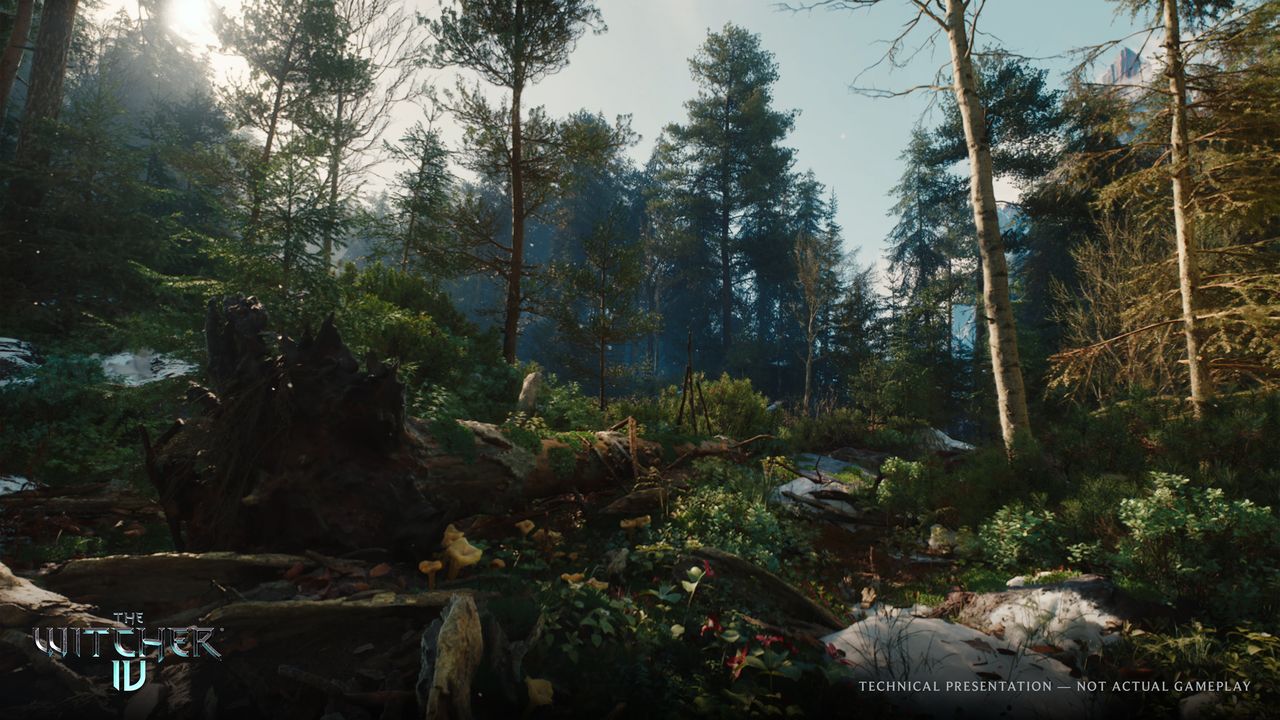
The Witcher 4 swaps Geralt for Ciri as protagonist, moves from CDPR's REDengine to Unreal Engine 5, and is set in Kovir and Poviss on a map CDPR says is roughly the same scale as The Witcher 3's — not a dramatically bigger open world. Combat shifts from Geralt's grounded, block-based style to Ciri's more mobile 'liquid' style with combined signs and sorcery. CDPR has also said not to expect Blood and Wine-sized expansions this time, since the studio wants to release all three new trilogy games within about six years instead of supporting one title for years afterward.
01Protagonist: Geralt Is Out, Ciri Is In
The Witcher 3 put you in Geralt of Rivia's boots for its entire runtime. The Witcher 4 is played entirely as Ciri, Geralt's adopted daughter, who undergoes the Trial of Grasses as part of the game's own story — game director Sebastian Kalemba confirmed that players will experience this transformation directly. Geralt is confirmed to still appear in some capacity, with Doug Cockle reprising the voice role, but his exact part in the story hasn't been detailed. See our story and setting guide for the full picture.
02Engine: REDengine Is Out, Unreal Engine 5 Is In
The Witcher 3 (and Cyberpunk 2077) ran on CD Projekt Red's own proprietary REDengine. The Witcher 4 is built on Unreal Engine 5 instead — a licensed, industry-standard engine that CDPR has said gives the studio better tooling, easier onboarding for its larger team, and — per the studio's own stated trilogy pacing goals — a faster path to the next two games after this one.
03Map Scale: Similar Size, Not a Huge Jump
It's easy to assume a new-generation sequel automatically means a much bigger open world, but CD Projekt Red has specifically said The Witcher 4's map is roughly comparable in scale to The Witcher 3's, rather than a dramatic increase in size. Some early coverage misreported this as a much larger world — treat that specific claim as inaccurate unless CDPR states otherwise. The setting itself moves from the war-torn Northern Kingdoms and Nilfgaardian Empire to Kovir and Poviss, wealthier and more magically progressive northern territories.
04Combat: Grounded Blocking vs Liquid Mobility
Geralt's Witcher 3 combat centered on blocking, parrying, and comparatively static sign-casting. Ciri's confirmed combat style is described by developers as "liquid" — more mobile, with the ability to cast spells while moving, plus a chain weapon (replacing Geralt's crossbow) that can be imbued with the Igni sign. She also gains a dedicated jump and the ability to swim and dive underwater, both new to the series. Full details are in our combat and signs guide.
05Post-Launch Support: No More Blood and Wine-Sized Expansions
The Witcher 3 was supported for years after launch, including two substantial paid expansions, Hearts of Stone and Blood and Wine, widely regarded as some of the best DLC in the genre. CD Projekt Red's co-CEO has said not to expect expansions on that scale for The Witcher 4, because the studio is aiming to release all three games in the new trilogy within roughly six years — a pace that doesn't leave room for years of dedicated single-game DLC support. Smaller, free post-launch content hasn't been ruled out.
06Structure: A Single Epic vs the Opening Chapter of a Trilogy
The Witcher 3 was designed and marketed as a complete, self-contained epic (built on two earlier Witcher games, but a clean finale for Geralt's personal arc). The Witcher 4 is explicitly positioned as the first of three new games, meaning its story is likely to leave threads open for the sequels rather than wrap everything up on its own.
FAQ
Is The Witcher 4 a sequel to The Witcher 3?
Yes, in setting and timeline — it takes place years after The Witcher 3: Wild Hunt — but it's played as a new protagonist, Ciri, rather than continuing directly as Geralt.
Is The Witcher 4's map bigger than The Witcher 3's?
No — CD Projekt Red has said the map is roughly comparable in scale to The Witcher 3's, not a dramatically bigger open world. Some early coverage misreported this as a big increase in size.
Will The Witcher 4 get expansions like The Witcher 3 did?
CDPR has said not to expect expansions on the scale of Hearts of Stone or Blood and Wine, since the studio wants to release all three new trilogy games within about six years rather than supporting one game for years with DLC.
Does The Witcher 4 use the same engine as The Witcher 3?
No. The Witcher 3 ran on CD Projekt Red's own REDengine; The Witcher 4 is built on Unreal Engine 5.
Is combat different in The Witcher 4 compared to The Witcher 3?
Yes — Geralt's Witcher 3 combat was more grounded and block-based, while Ciri's confirmed style is described as 'liquid' and more mobile, with combined signs and sorcery and new verticality like jumping and swimming.
Sources
Where the facts on this page were checked. If one of them now says something different, we want to know — tell us and we will fix the guide.
New & updated guides ship every week. Follow the Atom feed or get notified when new The Witcher 4 guides land.